
Financial Results
US P&C insurance industry rebounds with $16.3bn underwriting gain in Q1'26: AM Best
The US property and casualty (P&C) insurance sector recorded a $16.3 billion net underwriting gain in the first quarter of 2026, following a $1 billion loss in the same period a year prior, according to a recent report by AM Best.
A 3.9% increase in net earned premiums and a 9.3% decline in incurred losses and loss adjustment expenses (LAE) offset a $5 billion increase in dividends to policyholders.
The ratings agency highlighted that catastrophe losses were down significantly, as the prior year period was impacted by the extremely costly California wildfires in January 2025.
AM Best noted that catastrophe losses accounted for 4.2 points on the first quarter 2026 combined ratio, down from an estimated 14.5 percentage points a year earlier. This led to a combined ratio of 92% in Q1’26, a seven-point improvement over the prior year period.
Excluding $10.9 billion of favourable reserve development during the first three months of 2026, the industry’s accident year combined ratio was 96.6%.

U.S. commercial insurance rates increase 2.5%, extending moderating trend
U.S. commercial insurance rates increased 2.5% in the first quarter of 2026, marking a third consecutive quarter of moderating rate increases, according to the latest findings from WTW’s Commercial Lines Insurance Pricing Survey (CLIPS).
The survey measures changes in commercial insurance pricing by comparing premiums for policies underwritten during the quarter with those for the same coverage lines in the prior year. Carriers reported an aggregate price increase of 2.5% in Q1 2026, down from 5.3% in Q1 2025.
Pricing trends softened across most commercial lines, including Small Commercial, Mid-Market Commercial, and Large Account Commercial accounts. Excess/Umbrella Liability remained the line with the highest increases, though it declined from the previous quarter. Commercial Auto rate increases fell below double digits for the first time since the third quarter of 2023. Pricing trends across all other lines were largely unchanged or slightly lower than the prior quarter.
"The first quarter results reflect a continuation of the moderating pricing environment observed over recent quarters," said Yi Jing, Managing Director, Insurance Consulting and Technology (ICT), WTW. "While Commercial Auto and Excess/Umbrella Liability continue to experience the largest increases, the pace of those increases has eased, with pricing trends across much of the market remaining stable."
AI in Insurance
How Insurers Should Use AI’s New Capacity | Insurance Thought Leadership
No matter which side of the argument you land on over AI job creation or destruction, an AI image crisis looms. Phrases like, "AI job apocalypse" say it all. Growing negative sentiments about data centers have found their way into political campaigns with concerted efforts to halt or divert construction. To the surprise of many, the mere raising of the AI topic drew jeers by young graduates at several recent commencement ceremonies. According to Pew research, just 10% of Americans say they are more excited than concerned about AI, down from 37% when first asked in 2021.
Of late, however, the tenor of the AI job destruction conversation is softening to creation of capacity. In other words, using new capacity for people to do other work instead of merely cutting jobs.
CAPACITY CREATION
Capacity creation happens when AI, especially agentic AI, unlocks productivity by performing all sorts of tasks around the clock with no days-off. More than just AI productivity gains, repurposing people work so they can do more. For instance, both underwriting and claim handling include large portions of routine, manual work. Gathering, validating, summarizing and sharing information for decision making are prime areas for AI. Once AI does all of this heavy lifting, employees will be freed to shift to new and higher-grade work – at least in concept.
Instead of mass layoffs, companies must contemplate what to do with AI's new capacity by redirecting employees to focus on more meaningful tasks.
I
What history tells insurance about AI | Insurance Business
Sixteen leading economists surveyed this week cannot agree on whether AI will destroy jobs. History, however, is less ambivalent
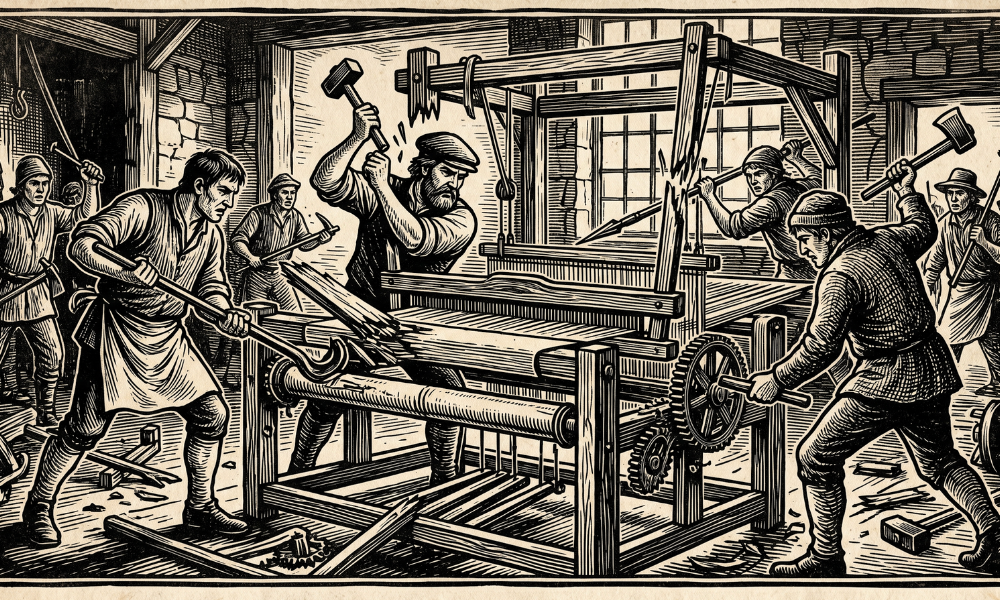
In 1812, a British magistrate named Joseph Radcliffe wrote to London warning that the textile districts of Yorkshire were ungovernable. Skilled weavers were smashing mechanised looms by night, burning mills, and threatening factory owners with death. The British government responded by making loom-breaking a capital offence and deploying more troops to the region than Wellington had taken to the Iberian Peninsula.
The Luddites lost. The looms won. And within two generations, the textile industry employed more people than it ever had before - though not the same people, not in the same places, and not doing the same work.
That is the pattern. It has repeated with the steam engine, the automobile, the mainframe, and the spreadsheet. Each time, the jobs being destroyed were visible and concentrated; the jobs being created were diffuse, delayed, and unimaginable in advance. Each time, the transition was longer and more painful than the boosters promised. Each time, the net outcome was positive - eventually.
Artificial intelligence is the next iteration. For insurance professionals, the question is not whether the pattern will repeat. It is where in the cycle they currently stand, and what that implies about the decisions they should be making now.

Insurance industry hits structural inflection point as risk outpaces resilience - NTT DATA
The gap between AI adoption at the workforce level and AI deployment at scale is the defining operational challenge in insurance right now
The insurance industry is at a structural inflection point, with uninsured losses and liability claims growing faster than the sector's capacity to absorb them, according to NTT DATA's Insurtech Global Outlook 2026.
According to the report, cybersecurity has emerged as the top business insurance risk, with uninsured losses projected to rise from US$171 billion in 2023 to over US$700 billion by 2030. Climate-related uninsured losses from extreme weather, floods and wildfires now total US$180 billion, and liability claims have risen by 57% over the past decade.
"The insurance industry is facing structural shifts in the face of unprecedented market volatility and uncertainty," said Bruno Abril, global head of insurance at NTT DATA. "There are, however, clear opportunities for insurers to embrace AI-driven solutions to bolster trust and resilience."
Anthropic's Fourth Way Why Restricted AI Models Are a Challenge for Insurers
Anthropic's release of Mythos under Project Glasswing1 has created a fourth category of frontier AI model, restricted distribution. This forces the question: what are the implications for the (re)insurance industry when AI's most capable models are deliberately kept out of the hands of those we rely on to evaluate them? REPORT
Until now, frontier large language models have broadly fallen into three buckets: fully open-source models; 'open weight' models such as Meta’s Llama, whose training parameters are publicly released to allow developers to adapt them; and fully proprietary models offered as black box services by vendors such as OpenAI and Google. Anthropic’s Mythos, by contrast, is available only to a small, vetted group of partners spanning large technology firms, cybersecurity vendors, financial institutions and government bodies.
Anthropic’s rationale for a restricted release is the model’s reported performance at detecting software vulnerabilities, creating exploits and chain attacks in operating systems, browsers and other software2. It follows that restricting access reduces the risk of handing a ready-made exploitation engine to criminal groups that companies aren’t yet prepared to defend against.
Artificial Intelligence in insurance: are actuaries ready for AI? An insight from Aon
Artificial intelligence is making increasingly bold inroads into the world of finance and insurance, transforming the way teams work, system architectures, and business expectations.
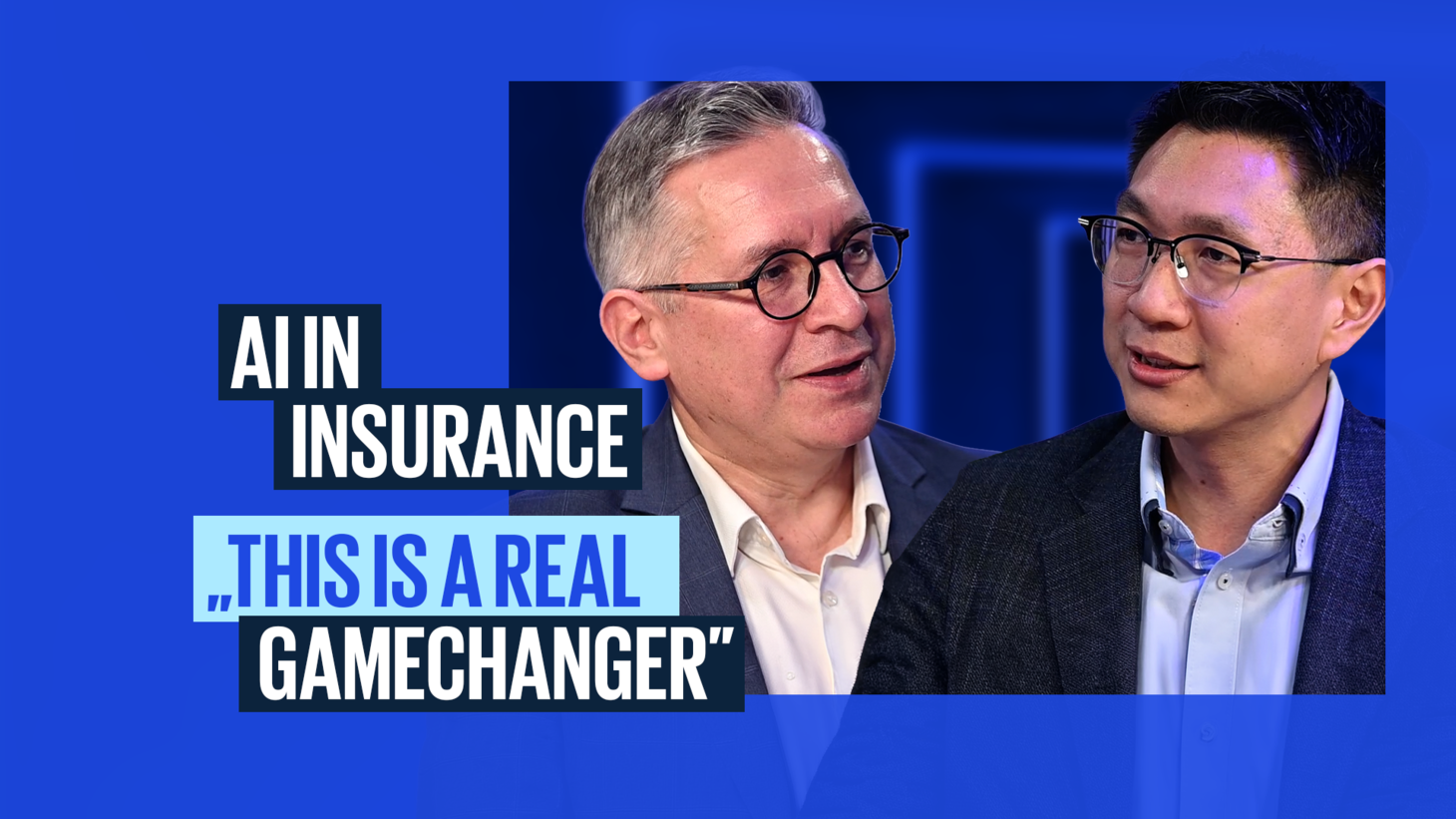
On the KPMG ON AIR podcast, Tomasz Dąbkowski, Partner Associate, Financial Services, Head of Actuarial Group at KPMG Poland, talks with Ka Hei Choi, Managing Director (UK/EMEA), Life Risk Modelling at Aon Strategy and Technology Group, about where actuarial science stands today in the journey of AI transformation and why the human element is crucial in AI-driven processes.
Announcements
Sedgwick Releases 2026 Catastrophe Season Playbook
Sedgwick, the world's leading risk and claims administration partner has released the 2026 Catastrophe Season Playbook, a new guide that equips insurance carriers with emerging CAT trends and field-tested strategies to strengthen preparedness before the season begins.
"The 2025 season may have felt quieter on the surface, but what it actually revealed was a more distributed and persistent form of risk, and one that doesn't announce itself the way a major hurricane does," said David Armstrong, Executive Vice President at Sedgwick. "2026 is shaping up to be one of the most complex catastrophe seasons that carriers have ever faced and the response models most carriers have in place aren't built for this new reality. This playbook is about closing that gap and giving carriers the frameworks, the data, and the honest assessment of where preparedness falls short so they can get ahead of it before conditions change."
Commentary/Opinion
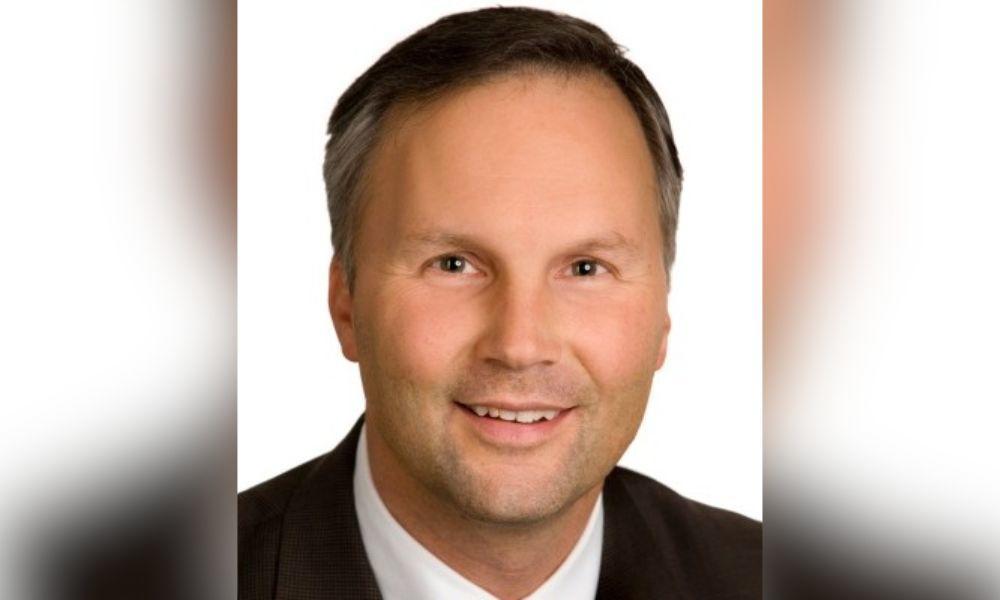
Are property insurers repeating past market cycle mistakes?
Specialists warn rapidly "sliding" pricing environment and broader coverage could amplify losses
The US commercial property market is softening at a pace that is surprising even seasoned industry specialists, who have pointed to a growing disconnect between falling insurance costs and a risk environment that remains persistently severe.
After years of rate increases and tightening terms, buyers are once again finding abundant capacity, broader coverage, and lower premiums. Yet at the same time, the industry continues to grapple with elevated catastrophe losses and rising secondary peril exposures. The dynamic is raising questions about whether underwriting discipline is eroding too quickly, and if market may be repeating patterns that have historically preceded sharp corrections.
Speaking to Insurance Business, Ed Leibrock(pictured), head of US corporate property at Munich Re Facultative & Corporate North America, characterized the property market as extremely soft. “In fact, it's sliding a little off a hill,” he said.

Solving the Right Problem: Customer Experience Starts With People
InsurTech has helped the insurance industry move forward in its race toward innovation, but industry leaders are cautioning insurers not to let excitement around new technology get ahead of them.
“As humans, we all want to fix problems as they arise,” said Cake & Arrow CEO Josh Levine at Carrier Management’s 2026 InsurTech Summit. “But with insurance, that tendency gets hugely amplified, because these ideas will quickly turn into real initiatives that require significant investment and time and resources to execute.”
Panelists at the May summit—The CX Advantage: The InsurTech Playbook for Authentic Customer Experience—said the future of customer experience is not about replacing people with technology. Instead, it’s about using technology to remove friction, strengthen relationships and create better human interactions during the most vulnerable moments in customers’ lives.
Autonomous Driving/Insurance
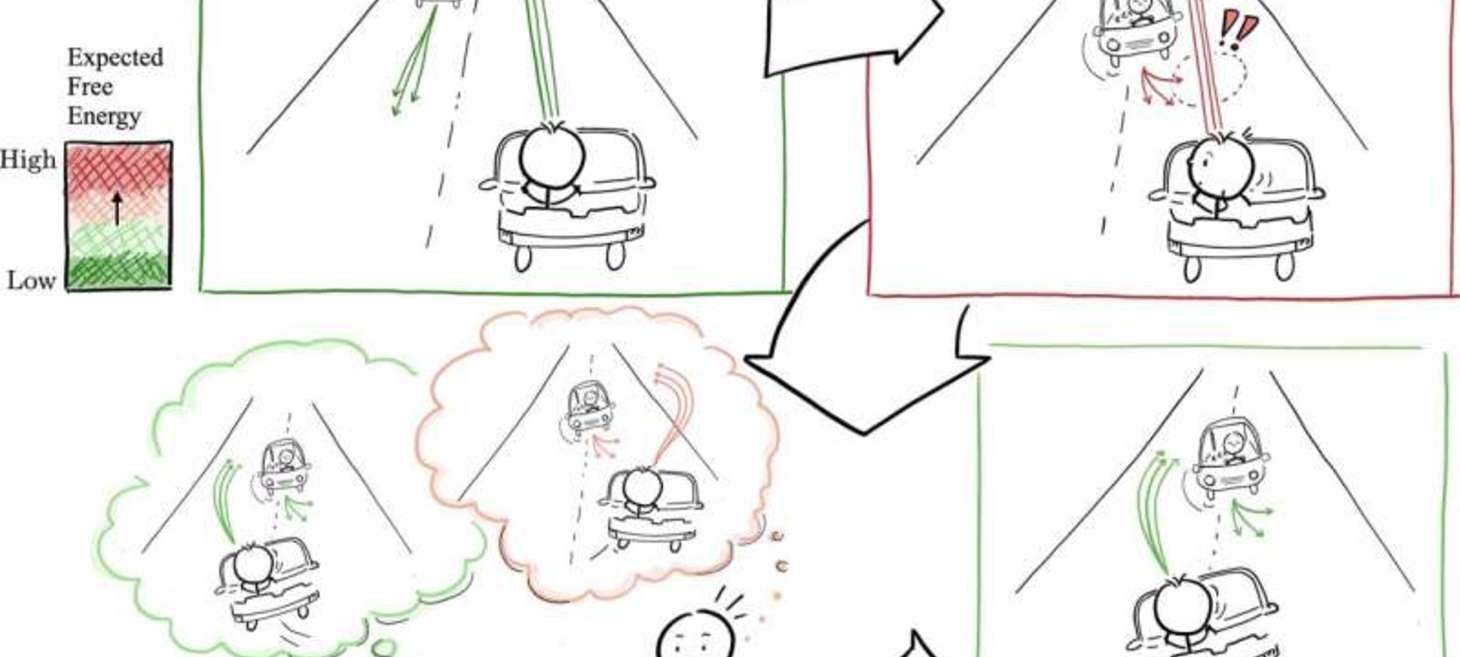
Waymo unveils virtual driver model to test autonomous car crash avoidance
Autonomous vehicles are already a reality on some of our streets and could become a major part of future transportation systems. Safety, of course, is the main concern, as with all vehicles. To help evaluate and improve its autonomous driving technology, U.S. driverless vehicle company Waymo has created a virtual representation of human driver behavior in near-crash situations.
Human drivers avoid collisions by instantly perceiving a hazard, deciding how to react and then executing the maneuver. It all happens in a split second thanks to the central and peripheral nervous systems working together harmoniously.
Currently, testing and training for collision avoidance involve several systems, and each often tests only a specific scenario or metric. For example, one system might only look at what happens when a lead vehicle brakes suddenly. They do not capture the whole sequence of events from detection to actual avoidance.
Behavioral crash-test dummy
In a research paper published in the journal Nature Communications, Waymo describes how it teamed up with scientists from Delft University of Technology in the Netherlands to develop a computer-based cognitive model called ReD (Reference Driver). It relies on a neuroscience framework called active inference, which simulates how the human brain avoids surprise.
In the automotive industry, manufacturers use physical crash-test dummies to evaluate passenger safety in collisions. This new model has been described as a behavioral crash-test dummy to determine how well an autonomous vehicle can avoid collisions entirely.
Instead of being installed inside a vehicle, ReD runs entirely within a computer simulation. To test whether it was accurate, researchers compared ReD's virtual driving with real-world human driving data.
InsurTech/M&A/Finance💰/Collaboration
The Fortegra deal just changed the M&A math for every US specialty insurer
Rick Kahlbaugh, Fortegra's chairman and CEO, chose his words carefully when the $1.65 billion deal with DB Insurance closed on May 29. "Every company eventually changes ownership," he said. "That is the nature of business. The closing of this acquisition is a starting point."
A starting point. Not an endpoint, not a milestone - a starting point. For the US specialty insurance market, that framing deserves serious attention, because Kahlbaugh is not describing Fortegra's future alone. He is describing a structural shift in who competes for America's best specialty platforms, who sets the clearing price for those deals, and what sellers can now expect to receive.
DB Insurance didn't just buy a specialty insurer. It completed the first-ever 100% acquisition of a US insurer by a Korean non-life carrier, navigated every regulatory checkpoint, paid in cash from internal resources with no leverage, and demonstrated that a Korean strategic acquirer can execute a complex cross-border transaction at scale. The deal structures are now understood. The regulatory pathways are mapped. Other major Korean carriers - including Samsung Fire & Marine, Hanwha Life, and KB Insurance - are studying every detail.