
News
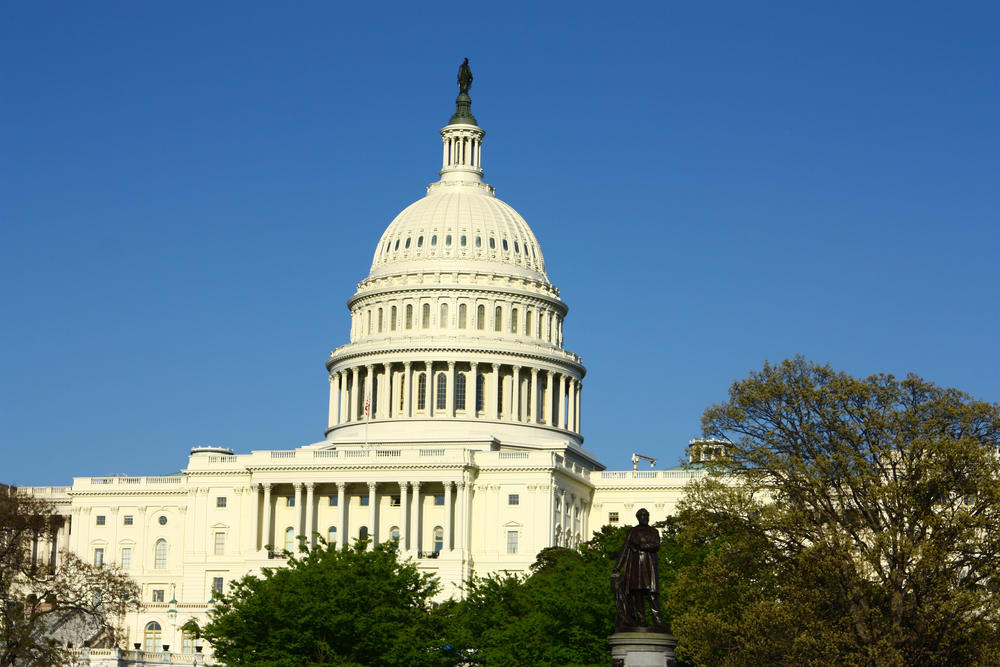
Data Privacy Framework Examined by House Financial Services Committee
The hearing also explored potential reforms to the Gramm-Leach-Bliley Act to ensure effective and uniform financial data privacy protections for consumers in today’s evolving financial services landscape, while safeguarding innovation and promoting competition.
This week, the House Financial Services Committee held a hearing entitled “Updating America’s Financial Privacy Framework for the 21st Century”.
The hearing, led by Chairman French Hill (R-AR), provided an overview of financial data privacy policy and examined the current patchwork of legal frameworks at the Federal and state levels. The hearing explored potential reforms to the Gramm-Leach-Bliley Act (GLBA) to ensure effective and uniform financial data privacy protections for consumers in today’s evolving financial services landscape while safeguarding innovation and promoting competition.
The GLBA requires insurance agencies, insurers and other financial institutions to disclose their information-sharing policies and to inform consumers of their ability to prevent the sharing of non-public personal information with certain nonaffiliated third parties.
Buffett's Berkshire takes $1.8 billion stake in Japan's Tokio Marine
Warren Buffett's Berkshire Hathaway is deepening its bet on Japan, with subsidiary National Indemnity Company (NICO) *set to acquire a 2.49% stake in *Tokio Marine Holdings for ¥287.4 billion ($1.8 billion) as part of a sweeping strategic partnership between two of the world's largest insurance groups.
Under the deal, NICO will take the stake through a third-party allotment of treasury shares. Tokio Marine said it would buy back its own stock to prevent dilution for existing shareholders. NICO has agreed not to acquire more than 9.9% of the Japanese insurer without prior board approval.
Beyond the equity investment, the partnership spans reinsurance collaboration and joint pursuit of mergers and acquisitions, combining NICO's capital strength with Tokio Marine's global underwriting platform.
Financial Results
Best’s Special Report: US Property/Casualty Industry Sees Underwriting Income Nearly Triple to $61 Billion in 2025
The U.S. property/casualty (P/C) industry recorded a $60.9 billion net underwriting gain in 2025, almost tripling the $22.1 billion posted in the previous year, according to a new AM Best report.
These preliminary results are detailed in a new Best’s Special Report, titled, “First Look: 2025 US Property/Casualty Financial Results,” and the data is derived from companies’ annual statutory statements received as of March 9, representing an estimated 96% of the P/C industry’s net premiums written.
According to the report, the P/C industry’s combined ratio improved significantly by 3.7 percentage points to 92.2 in 2025. Catastrophe losses accounted for an estimated 7.6 points on the 2025 combined ratio, down from an estimated 8.8 points in 2024. The improved underwriting results reflected a 6% increase in net earned premiums while incurred losses and loss adjustment expenses declined, due in part to muted catastrophe losses during the year.
The P/C industry also saw a 9% increase in net investment income in 2025, which along with the underwriting gain, boosted pre-tax operating income by 43%, to $153.1 billion. A 72% reduction in net realized capital gains (driven primarily by a combined $60.0 billion decline at three Berkshire Hathaway companies) in 2025 contributed to the industry’s net income declining nearly 10% from the prior year to $150.9 billion.
To access the full copy of this special report
AI in Insurance

Insurance sector needs hybrid talent amid rapid automation
With 97% of insurers accelerating automation — one of the highest rates across any sector — hybrid profiles are the future, however, the journey to this ideal is ongoing, Aon highlights in its latest industry analysis.
As technology redefines the competitive landscape for talent, Louisa Blain, Head of Insurance for Human Capital at Aon, argues that recruitment alone is no longer enough to close the widening capability gap.
“Insurance leaders are accelerating capability building to keep pace with digital disruption, but recruitment alone cannot close the gap. The industry is in urgent need of individuals who possess a blend of behavioural and technical abilities to better underwrite and provide relevant cover to customers,” Blain states.
According to Aon data, 43% of tasks are expected to be automated by 2030, and with most insurers accelerating automation, the sector needs to rethink how it attracts, develops, and deploys people to remain competitive.

Ushur Launches Voice-Guided Experience for Synchronized
Ushur, the Agentic CX platform purpose-built for regulated industries, today announced Voice-Guided Experience, a new capability that enables organizations to guide customers through complex workflows using synchronized voice and visual interactions.
Voice-Guided Experience allows customers to interact with an AI agent over a live voice call while simultaneously following along on a secure mobile experience. As the AI agent continues the conversation, customers can answer questions, select options, upload documents, and confirm information on their device without switching channels or losing context.
In customer service, “omnichannel” experiences typically refer to the ability for customers to move between channels. In practice, those transitions often break continuity—customers lose context, must re-authenticate, or repeat information that was already provided. While intended to provide flexibility, these handoffs frequently introduce friction and slow down resolution.
The challenge is that neither voice nor digital experiences work well on their own for complex workflows. Voice-only systems lack the precision needed for forms, documents, and structured information. Digital-only journeys demand attention and typing. And the moment customers are handed off between channels, completion rates tend to drop.
Claims
Alacrity Solutions Invests in AI to Strengthen Claims Performance for Insurance Carriers at PLRB 2026
Alacrity Solutions, one of the largest independent providers of insurance claims management services in North America, announced today a significant technology investment designed to strengthen claims performance for insurance carriers. The investment supports an intelligence-led operating model built to streamline processes, proactively scale for volume, manage quality in real time, and deliver more predictable results — especially during surge events.
By combining experienced claims professionals with AI-enabled operational insight, we’re helping carriers manage claims with greater speed, transparency, and operational control — especially during surge events. Lee Boyd, President of Claims Operations
The initiative introduces Alacrity Intelligence, an AI-enabled operational capability that connects data, workflows, and claims expertise to help carriers manage claims with greater consistency and visibility.
“Claims organizations today are under constant pressure to handle more complexity, more volume, and more scrutiny at the same time,” said Lee Boyd, President of Claims Operations at Alacrity Solutions. “This approach helps our teams stay ahead of that pressure by bringing operational insight directly into the way claims are managed. It allows us to maintain visibility into performance and deliver more consistent outcomes for our carrier partners and their policyholders.”
Awards
Agero Receives Frost & Sullivan’s 2025 Recognition
Agero Receives Frost & Sullivan’s 2025 North American Digitalized Roadside Assistance Services Company of the Year Recognition for Market Leadership Excellence
Frost & Sullivan is pleased to announce that Agero has received the 2025 North American Company of the Year Recognition in the digitalized roadside assistance services industry for its outstanding achievements in reliability, operational efficiency, and customer satisfaction. This recognition highlights Agero’s consistent leadership in driving measurable outcomes, strengthening its market position, and delivering customer-centric innovation in an evolving competitive landscape.
Frost & Sullivan evaluates companies through a rigorous benchmarking process across two core dimensions: strategy effectiveness and strategy execution. Agero excelled in both, demonstrating its ability to align strategic initiatives with market demand while executing them with efficiency, consistency, and scale.
“This recognition from Frost & Sullivan reflects the values that guide how we build and operate at Agero: through a combination of head, heart, hustle, and humility,” said David Ferrick, CEO of Agero. “It takes the head to invest in intelligent, data-driven technology, the heart to stay relentlessly focused on the drivers and partners we serve, the hustle to execute at scale every day, and the humility to keep improving alongside our customers and service providers. Those principles power our platform and service network, helping us deliver more reliable, transparent roadside experiences for drivers and measurable value for our partners.”
Predict & Prevent
ZestyAI Launches AI-Powered Property-Level Model to Predict $25B "Everyday Fire" Risk
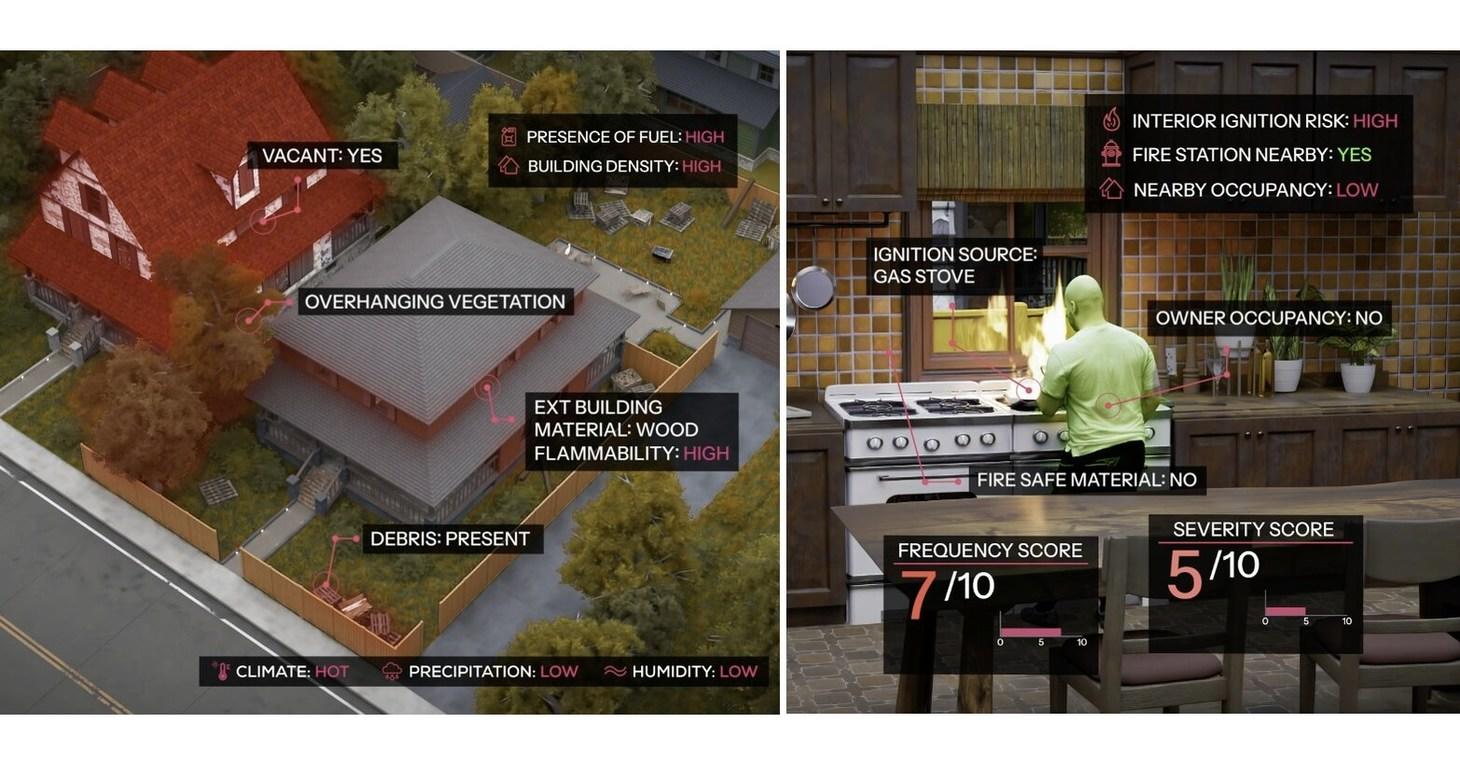
ZestyAI, the Risk and Decision Intelligence platform for the insurance industry, today announced Z-SPARK™, an AI-powered model that predicts non-weather fire risk at the individual property level.
The model evaluates the factors that influence ignition and fire spread to help insurers identify the structures most likely to generate costly fire losses.
Most insurers still evaluate fire risk using neighborhood or territory level averages and limited historical loss data, even though risk can vary dramatically from one property to the next. Without property-level insight, insurers struggle to price risk accurately, increasing the likelihood of adverse selection and unexpected losses.
In 2023, around $25 billion in property losses occurred from non-weather-related fire incidents from sources such as grills, appliances, heaters, and electrical faults.
Z-SPARK applies modern fire science and property-level intelligence to analyze how building materials, maintenance conditions, surrounding structures, local fire response capacity, and climate drive ignition and fire spread.
The model predicts both the probability of ignition and potential loss severity using advanced machine learning trained and validated on millions of real fire incidents and verified insurance claims.
Autonomous Driving/Insurance
NHTSA Begins Review of Federal Safety Standards for Automated Vehicles
The National Highway Traffic Safety Administration has initiated a review of federal motor vehicle safety standards that underpin how vehicles are designed and evaluated, according to the Automotive Service Association.
According to ASA, NHTSA is reviewing the applicability of existing FMVSS “to vehicles equipped with automated driving systems (ADS)” and will consider whether updates are needed to “remove unnecessary barriers to innovation while maintaining safety.”
NHTSA is seeking public input as part of the process, signaling that stakeholders will have an opportunity to comment on potential regulatory changes.
Automated and driver-assistance technologies. Recent related developments include a federal probe into Tesla’s Full Self-Driving system following crashes and a National Transportation Safety Board hearing examining fatal incidents involving Ford’s BlueCruise system.
These developments reflect ongoing regulatory attention to how emerging vehicle technologies are evaluated under existing safety frameworks.
Tesla’s FSD insurance could pose competitive risk to Lemonade: Jefferies - Reinsurance News
Tesla Insurance’s Full Self-Driving (FSD) pricing poses a potential competitive risk to Lemonade’s auto insurance ambitions as its model scales, with pricing based on how the car performs in FSD through its Safety Score, potentially offering better rates, according to analysts at Jefferies.
Recent filings show Tesla has eliminated standalone discounts for FSD offered through its own carrier, Tesla Property & Casualty, Inc., and instead embeds autonomy entirely within its Safety Score framework, meaning pricing reflects how the vehicle actually performs.
Under Tesla’s model, autonomy is rewarded indirectly in that if it reduces hard braking and other risk signals, your Safety Score improves, but if it doesn’t, autonomy offers no explicit pricing discount.
By contrast, Lemonade treats FSD as safer on average and reflects this through per-mile pricing benefits for autonomy usage. This approach assumes lower loss risk regardless of how or where FSD is used and could potentially lead to cross-subsidisation of poor autonomy uses.
Jefferies analysts estimate that the discount, or lower premium potential, is higher for a good driver under Tesla’s new pricing model than under Lemonade’s FSD pricing, although the opposite is also true.
InsurTech/M&A/Finance💰/Collaboration
Shepherd Raises $42M Series B to Power the Insurance Behind AI Infrastructure Boom
Shepherd, the AI-native commercial insurance platform, today announced a $42 million Series B round led by Intact Private Capital, with participation from Spark Capital, Costanoa Ventures and additional investors. The raise brings Shepherd's total funding to $67 million.
Shepherd has grown revenue more than 7x over the past 24 months, insuring over $400 billion in project value across more than 1,500 policies for 600+ customers — including the physical infrastructure behind the most recognized names in AI. The company's clients include the leading AI labs, chip manufacturers, hyperscalers, general contractors, specialty builders, and energy developers constructing the facilities that form the physical foundation of the AI economy.
The AI boom has a physical layer, and it needs a new kind of insurance provider.
The race to build AI infrastructure is accelerating. Hyperscalers, chip manufacturers, and frontier AI labs are collectively deploying hundreds of billions of dollars into data center construction, power generation, and renewable energy projects. Every one of those projects has to be built and insured.
People
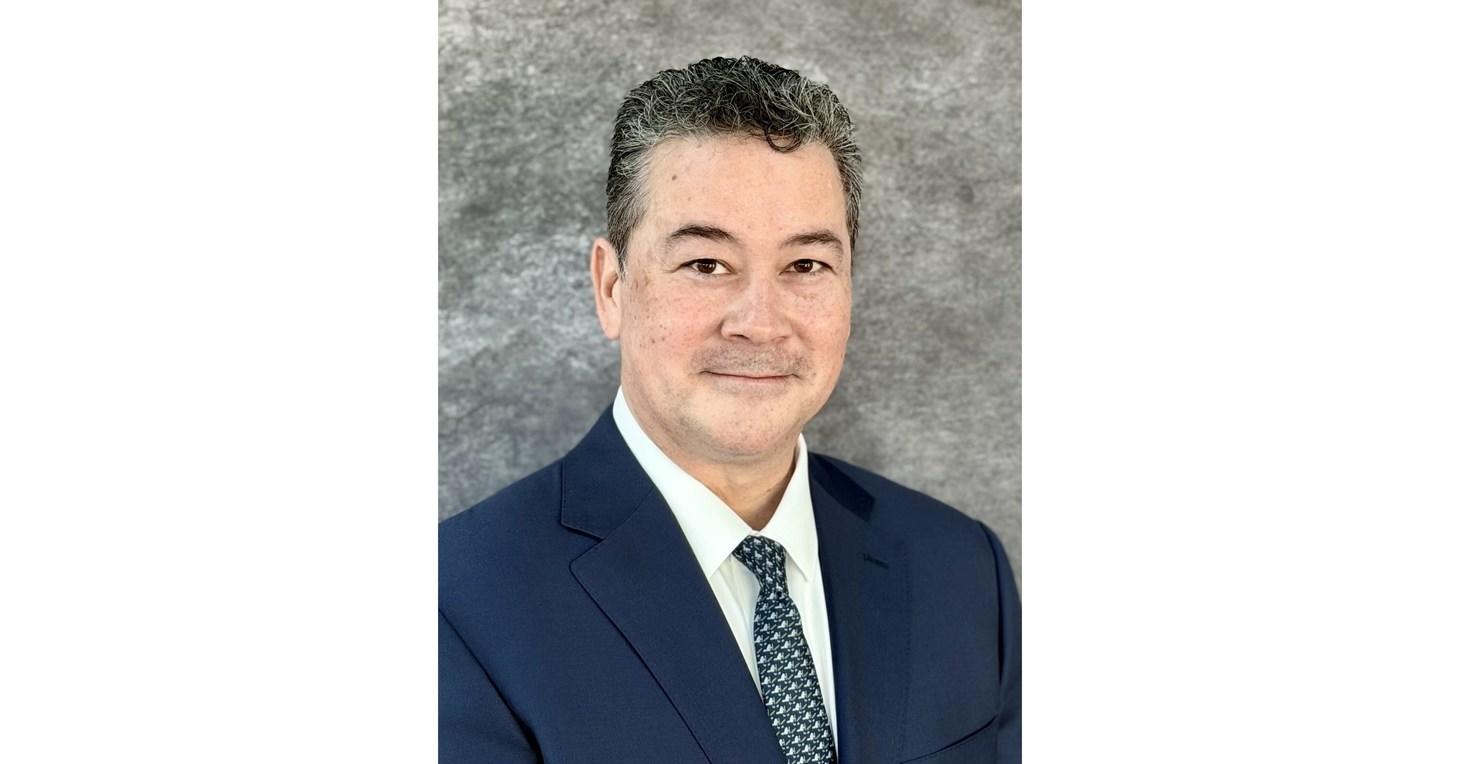
Farmers Insurance® Appoints John Pham as Chief Strategy & Risk Officer
Farmers Insurance® today announced that John Pham has joined the organization as Chief Strategy & Risk Officer, reporting to Farmers Group, Inc. CEO Raul Vargas.
In this role, Pham will work across the enterprise to help translate strategy into measurable business outcomes, with a focus on execution discipline, operational excellence and technology-enabled improvement.
"John brings deep experience leading complex, cross-functional transformation in Property & Casualty insurance," said Raul Vargas, CEO of Farmers Group, Inc. "His background in operational execution, customer experience and technology modernization will be an important asset as we continue to strengthen performance and deliver value for our customers, agents and employees."
Pham joins Farmers from GEICO, where he most recently served as Head of Strategic Business Initiatives, responsible for Operational Shared Services. In that role, he partnered with product, technology and business leaders to improve contact center automation and customer experience, strengthen enterprise learning and onboarding at scale, establish enterprise-wide quality frameworks, and enhance the use of customer insights to drive process improvements.
Podcast Sponsor

Audio Version - 'Connected: The Podcast' --- Sponsored by Pulse Podcasts
** The ‘Connected’ Podcast by Alan Demers and Stephen Applebaum, is a condensed audio version of the day's ‘Connected' newsletter, a daily scan of all the happenings in the world of Insurance & InsurTech News**.
Pulse Podcasts: Introduce a new way for your audience to hear your voice! We are a podcast creation service that helps businesses turn their written content, like blog posts and news articles, into beautiful podcasts. Our platform writes the script, records the voices, and mixes the audio to create engaging content for your audience. It's affordable and has super-fast turnaround!
LISTEN AND SUBSCRIBE BELOW