
News
Winter storms expose pressure points in personal lines claims as insurers brace for another surge
Fifteen states warned of a fresh "arctic blast", complicating claims on the back of brutal winter storms
As another round of storm warnings stretches across much of the US, insurers and brokers are once again confronting the operational realities of cold-weather catastrophes.
The National Weather Service announced Wednesday that a new winter storm is expected to bring additional snow and harsh winds to several states. States bracing for an "arctic blast" through the weekend include Michigan, Ohio, Virginia, West Virginia, Maine, New Hampshire, Vermont, Massachusetts, Rhode Island, Connecticut, New York, New Jersey, Pennsylvania and the Carolinas.
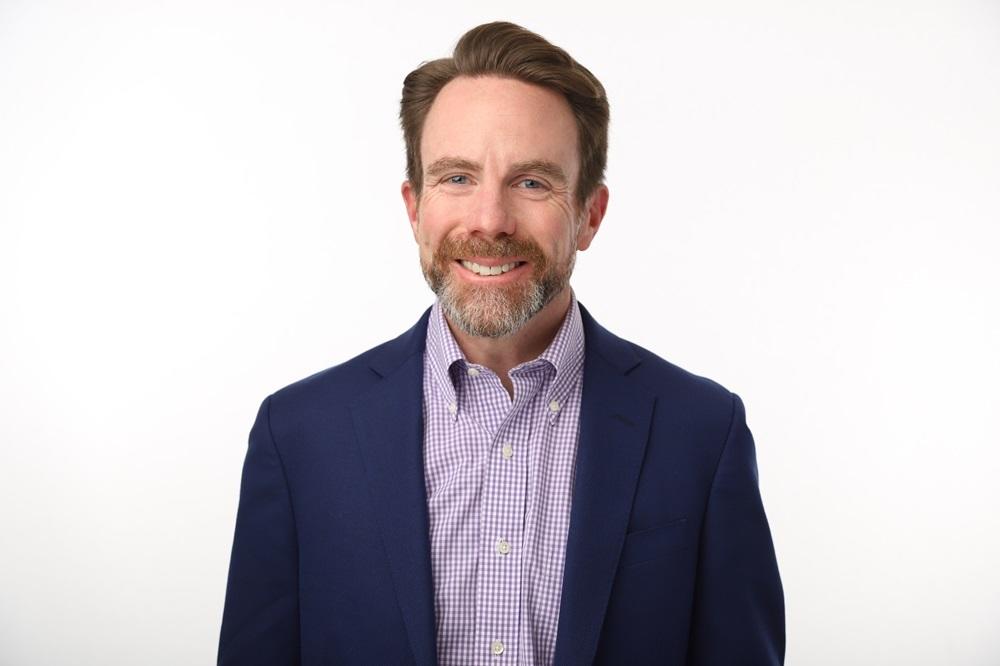
According to Peter Flynn (pictured), senior vice president of personal lines, America, at Xceedance, winter storms pose a distinct challenge for carriers because the claims picture unfolds over weeks, not days. Recent back-to-back storms are likely to delay claims and further strain adjuster resources even as conditions remain volatile.
“Some losses are immediate, like fallen trees or frozen pipes,” Flynn said. “But others, such as ice damming, can emerge well after the initial storm. When you have cycles of prolonged cold followed by thawing and refreezing, the loss period stretches out, which complicates claims handling and reserving.”

GM Brings Design Patent Suits Over Alleged Car Part Copies - Law360
General Motors has launched a trio of lawsuits in both Michigan and Illinois federal courts, accusing a host of companies of infringing the auto giant's design patents by selling copies of its car parts.
GM's complaints were all filed on Tuesday and lobbed infringement allegations against both domestic and foreign companies, including an aftermarket car parts company with which it has been locked in a separate infringement battle in Michigan federal court.
All three suits said the "defendants work in concert to" make, import or sell "copies of GM's patented vehicle parts."
One of the suits was filed in Michigan federal court against Quality Collision Parts Inc., which GM has already sued in a separate case alleging infringement of different patents. GM says that Quality Collision provides components of allegedly infringing products to repair shops, and that fellow defendants Jiangsu Srumto Auto Parts Co. Ltd. of China and AP Auto Parts Industrial Ltd. of Taiwan provide those accused products to companies like Quality Collision.
"The accused products are intended and designed to be substitutable with GM Genuine Parts and are intended to be copies of GM Genuine Parts," GM said. "Defendants' collective business is premised on offering replacement parts that match the ornamental appearance of genuine [original equipment manufacturer] components, including those of GM."
In one of the lawsuits filed in Illinois federal court, GM also targeted Srumto, but additionally sued a company called Best Value Auto Body Supply, saying their "collective business is premised on offering replacement parts that match the ornamental appearance of genuine OEM components, including those of GM."
And in another lawsuit, GM targeted LKQ Corp., CCC Intelligent Solutions and others. That complaint alleged that various companies supplied products to LKQ and CCC, that LKQ then sold allegedly infringing products to customers, and that CCC had the online platform to sell those products.
Judge orders State Farm to release documents in Oklahoma hail-claim lawsuit - News9.com
An Oklahoma judge ordered State Farm to turn over documents in a lawsuit alleging the insurer underpaid hail claims, moving the case forward after months of delays.
An Oklahoma County judge has ordered State Farm to turn over documents within seven days in a lawsuit accusing the insurance giant of underpaying hail claims, setting a hard deadline after months of delays.
The ruling came Thursday after a heated hearing before District Judge Amy Palumbo, where attorneys for homeowners accused State Farm of repeatedly withholding court-ordered discovery tied to its internal underwriting and claims practices. The judge had ordered the documents released months ago, but State Farm instead filed a series of motions that delayed the case.
Research

Insurance CEO Outlook: Insurance companies between AI leap and trust issue
How insurance executives are using AI, M&A and effective risk management to secure growth.
Despite geopolitical uncertainties, rising claims costs and regulatory requirements, the insurance industry remains optimistic. The Insurance CEO Outlook shows that the industry has learned to deal with volatility – and is increasingly translating uncertainty into strategic action. This confidence is clearly reflected in the following figure: 82 per cent of the CEOs surveyed expect growth for their companies.
Despite ongoing uncertainties, insurance CEOs' confidence in their own growth prospects is rising significantly.
AI is becoming a core strategic tool
Artificial intelligence has long been more than just a topic for the future for insurers. 73 per cent of CEOs prioritise AI investments, particularly to increase efficiency in underwriting, claims processing and customer service. At the same time, it is clear that technological performance alone is not enough. This means that trust, transparency and the responsible use of AI are becoming increasingly important – both for customers and regulators.
Employee qualifications as the key The biggest bottleneck in AI transformation lies less in technology than in the human factor. 77 per cent of CEOs see the further training of their employees as a key challenge for future growth. Successful insurers therefore invest not only in systems, but also in new role models, targeted further training and a culture in which humans and AI work together.
Exosuits can reduce employee back injuries
Back injuries cost warehouses roughly $14 billion per year.
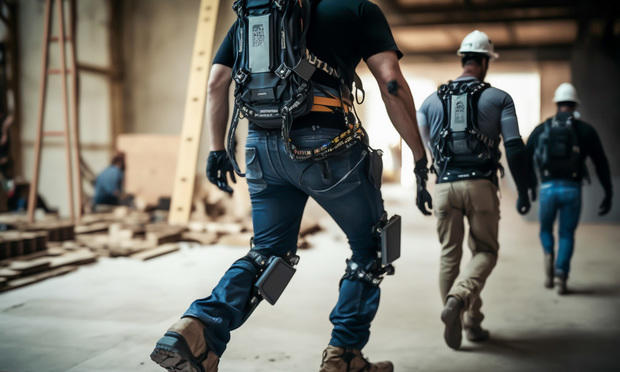
Back-assist exosuits reduced back injuries for warehouse employees by 62%, according to a new study from HeroWear.
The study analyzed work across five distribution centers for 281,000 hours. When the exosuits were in use, one injury occurred every 50,000 work hours, compared to one every 20,000 hours when the suits weren't used.
Based on historical data, there should have been 10.5 back injuries in 281,000 hours of work. But when the exosuits were worn, there were zero back injuries among case-picking workers, and injuries weren't shifted to other body parts.
Workers in the study reported a 25% decrease in work-related bodily discomfort and a 20% reduction in work-related fatigue.
"Our main goal at Plymouth is to make sure we are supporting every worker to have a happy healthy life outside of work," said Travis Erickson, director of operations for Plymouth Inc., a study participant, in a statement. "Some of our workers who have had back issues started wearing the Apex 2 exosuit and don't have back issues any longer."
According to Teamsters data, lower back injuries account for 25% of all workplace industries and 33% of workplace compensation costs. Back injuries cost warehouses roughly $14 billion each year, and each back injury costs an average of $67,000, according to OSHA.
Exosuits reduce spine compression forces for users and can take 20% to 40% of the load off of a user's back muscles.

Study: Most homeowners, business owners underestimate flood risk
While 84% of homeowners say flooding is becoming more prevalent, 62% say they won't purchase flood insurance because of low risk, according to a new study from Chubb.
The study, which surveyed more than 1,500 high-net-worth homeowners, commercial businesses, brokers and agents, found many homeowners and business owners misunderstand both their flood risk and what kind of coverage they need.
Fully 80% of survey respondents said their homes have flood insurance coverage, but only 5% of Chubb's clients have flood insurance. And 70% of homeowners said they use government flood maps to determine their risk. Flood maps can be out of date, and don't account for as many variables as commercial modeling tools.
Business owners are also underestimating their risk. Among commercial businesses, 36% said they haven't purchased flood insurance because of the cost. But 50% of commercial businesses that experienced flooding had repair costs of more than $100,000.
Announcements
Chase UK launches first insurance offering
Chase UK has launched its first insurance product, offering customers “one of the best value options on the market for essential coverage.”
Chase Protect offers a bundle of worldwide travel insurance (provided by Collinson Insurance), mobile phone insurance (provided by Assurant), and roadside assistance (provided by AA) for £12.50 per month.
Customers can purchase coverage and submit claims via the Chase app.
“We’re excited to introduce Chase Protect, a simple and affordable way for our customers to safeguard what matters most. By bringing together essential insurance coverage in one easy-to-manage bundle, we’re helping make protection more convenient and better value – all via the Chase app.” – Harish Iyer, Head of Insurance at Chase.
Financial Results

Everest sees year-on-year slump in insurance and reinsurance but Q4 turnaround | Insurance Business
Everest Group, Ltd. has reported full-year 2025 gross written premium (GWP) of $17.7 billion (all figures in US$), down 3.1% year-over-year, as the reinsurer and specialty insurer continued to pull back from selected casualty and retail lines in favour of margin and balance sheet strength.
On a comparable basis, GWP declined 1.2% in reinsurance and 5.7% in insurance. Despite the contraction, Everest delivered a 2025 total shareholder return of 13.1%, with a net income return on equity (ROE) of 10.5% and operating income ROE of 12.4%. The group’s combined ratio for the year was 98.6%, including 91.7% in reinsurance and 114.6% in insurance, with attritional combined ratios of 89.6% for the group, 85.5% for reinsurance, and 100.7% for insurance.
Pre-tax catastrophe losses, net of recoveries and reinstatement premiums, were US$757 million versus $810 million in 2024, reflecting another year of elevated cat activity. Net investment income increased by US$170 million to a record US$2.1 billion, driven by a larger asset base and stronger fixed income and alternative returns, in line with the broader lift many global re/insurers have seen from higher interest rates since 2022.
Commentary/Opinion
Chubb CEO: Market growing more competitive
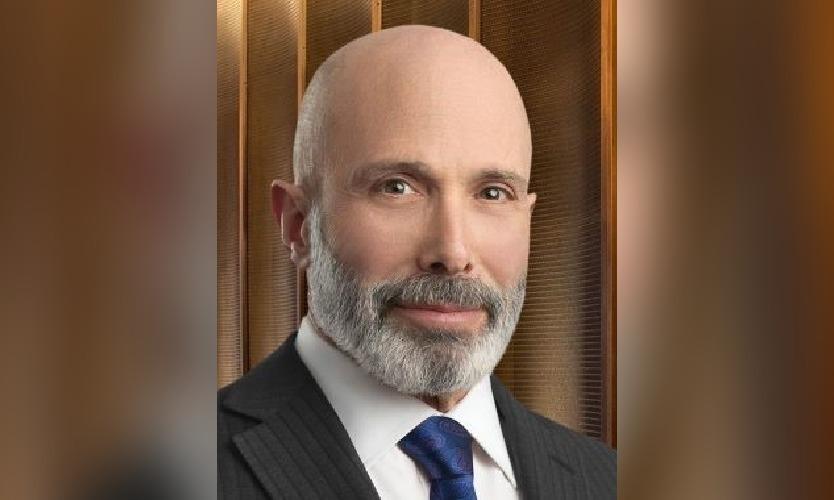
The commercial property/casualty underwriting environment has been in “transition” for the past few quarters and the market globally is growing incrementally more competitive quarter by quarter, Chubb’s CEO said Wednesday.
Competition is growing most acute in large-account property and the upper middle market, Evan G. Greenberg said during the company’s fourth-quarter earnings call.
In casualty, “pricing overall, large account, excess and surplus and middle market, continues to firm in the areas that require rate and in those that don’t, price increases have slowed,” Mr. Greenberg said. Financial lines remain soft.

Allstate CEO points to Florida tort reform as blueprint for auto insurance savings
Allstate Corp. is holding up Florida as a case study in how legal reform can translate into measurable insurance savings, as the industry continues to grapple with soaring claims costs and thin underwriting margins.
During the company’s fourth-quarter earnings call, chairman, president and CEO Tom Wilson (pictured) said recent tort reforms in Florida have reduced litigation pressure and helped stabilize the state’s auto insurance market, with tangible benefits for consumers.
He said the reforms aimed at curbing excessive litigation are already showing results. Florida’s five largest auto insurers have reduced prices by an average of 5.9% over the past 18 months, he noted, attributing part of that decline to a drop in lawsuits following legislative changes.
“Tort reform has reduced litigation in Florida, which is part of the reason why the top five insurance companies have reduced prices,” Wilson said. He argued that other states could replicate the model by targeting what he described as “fender-bender litigation," minor accidents that escalate into costly legal disputes.
Fraud
GEICO wins right to block 600 suits in $3.4 million fraud fight
GEICO won federal court approval to block more than 600 collection lawsuits while it fights a $3.4 million no-fault fraud scheme.
The decision from the US Court of Appeals for the Second Circuit, issued February 3, gives other insurers a potential playbook for tackling systematic fraud in New York's no-fault insurance system without getting buried under an avalanche of individual collection cases.
At the heart of the dispute is a medical practice in Queens that GEICO says exists not to treat patients but to defraud auto insurers through phony or unnecessary treatments.
According to GEICO, Dr. Bhargav Patel and his company, Patel Medical Care, submitted approximately $3.4 million in fraudulent claims between August 2019 and April 2023. The insurer alleges third-party brokers steered accident victims to one of four Patel clinics in exchange for kickbacks. Patients would get a brief consultation, rarely lasting longer than 30 minutes, then be pushed through a predetermined treatment plan regardless of what they actually needed.
Data Privacy
Report Finds Vehicle Manufacturers Restrict Independent Repair Shop Access to Telematics Data
Consumer advocacy group U.S. PIRG Education Fund identifies ways manufacturers use telematics data to steer consumers towards dealers.
Vehicle manufacturers are restricting independent collision repair facilities and mechanical shops from accessing wireless repair data generated by vehicles, giving dealership networks a competitive advantage in capturing repair business, according to a report released by Right to Repair advocacy organizations.
The report, “My Car, My Data,” examines how manufacturers control access to telematics data—information wirelessly transmitted from vehicles about mechanical conditions and maintenance needs. While the technology could enable faster diagnostics and repairs across all repair channels, manufacturers currently limit independent facilities’ ability to receive and interpret the data, the report states.
“When we buy a car, we own it. We should have access to every piece of information in the vehicle,” said Jack Frimet, a Right to Repair associate with U.S. PIRG Education Fund and chief author of the report. “We wouldn’t let a company stop us from checking our odometer or our fuel level. Over-the-air data shouldn’t be any different.”