
News

Premiums Will Skyrocket by 2035; Discounts Not Enough for Wind Mit, Studies Say
Home fortifications, from roof tie-downs to window protections, have been recognized as key factors in reducing losses, claims and premiums in hurricane-prone states like Florida.
But relying on the incentive of premium discounts is not enough to prompt widespread adoption of mitigation measures, especially for low- and moderate-income households, according to a new study that examined more than 20 years of data from Florida’s Citizens Property Insurance Corp.
“Our findings underscore that rising insurance premiums can increase adaptation, but only if paired with policies that target financial constraints for low-income and low-wealth households,” the study concluded. READ ON
Research

How much do different traffic violations affect auto rates?
The average annual car insurance premium for Americans is currently $2,256.
Car insurance premiums are continuing to rise, though not as steeply as in previous years.
The average annual car insurance premium for Americans is currently $2,256, up 3% from the previous year. That's a smaller increase than in previous years: auto insurance premiums rose much more quickly between 2021 and 2024. The average premium in 2020 was just $1,483.
Where you live plays a role: last year, 21 states and the District of Columbia saw their premiums decrease. Some of the decreases were small, but Maine saw a 36% decrease. The other 29 states saw their premiums increase. In Nevada and Louisiana, rates doubled from the previous year.
What you drive also matters. Nissan vehicles have the most expensive average premium across all models, at $278 per month. The Nissan GT-R is one of the most expensive, non-luxury models to insure at about $400 a month. Ford has the least expensive model to insure: the Ford Bronco costs an average of $76 per month.
How you drive is a factor as well, with traffic violations increasing premiums by as much as 100%.
Announcements
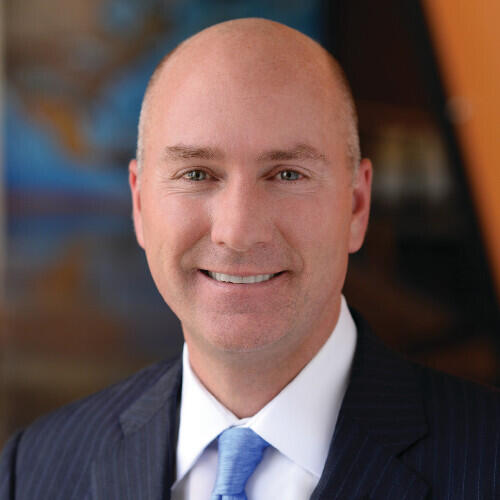
Copart reinstates Jay Adair as CEO; Liaw to step down
ICYMI
Online vehicle auctioneer Copart (CPRT.O) said on Monday Jeff Liaw will step down as chief executive officer and director, effective July 31, 2026, with former CEO Jay Adair returning to the role.
- The company's board appointed executive chairman Jay Adair, who previously served as Copart's CEO, to succeed Liaw.
- Adair, who joined Copart in 1989 at age 19, served as the company's CEO from February 2010 to April 2024.
- Under Liaw's leadership, Copart achieved record-high transaction values, average selling prices and auction liquidity, Adair said. -Copart operates at more than 250 locations across 11 countries, providing vehicle remarketing services to a wide range of sellers. It also auctions vehicles to dealers, exporters, rebuilders and the general public.

HomeBinder, InspectionGo's Homeownership Solution, Launches Home Insurance Shopping
InspectionGo (iGo), a leading provider of technology and services for the home inspection industry, today announced the launch of home insurance shopping within HomeBinder, its personalized homeownership solution.
The new offering, powered through a collaboration with Bindable, an embedded insurance platform and white-label agency services partner, enables HomeBinder's homebuyers to shop for and compare home insurance quotes from more than 30 leading carriers, all within the same guided experience that already helps them navigate utilities, moving, and home services.
Home insurance is consistently one of the first things buyers ask about after their inspection. With Bindable's quote API embedded directly within the HomeBinder Home Portal, buyers now have direct access to shop across leading national carriers, compare coverage options, bundle auto and other personal lines products, and either bind policies online when available or connect with a licensed insurance agent by phone for expert, unbiased advice and support.
Climate/Resilience/Sustainability
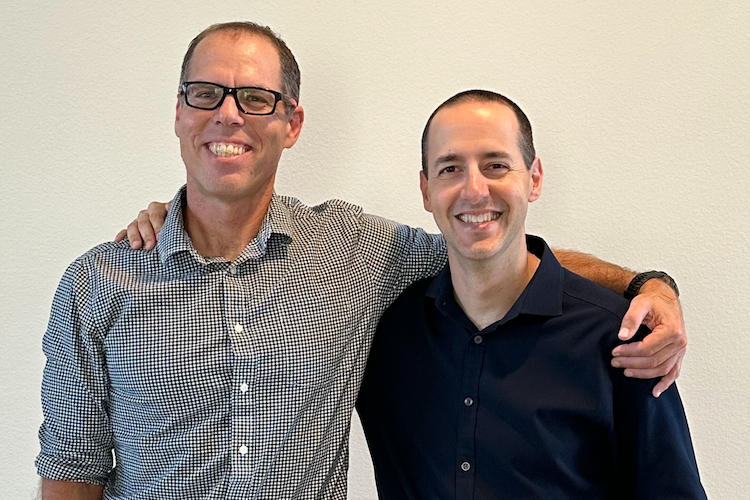
Adaptive Raises $5M for Specialty Climate Products
Adaptive Insurance (Austin, Texas) has closed an additional $5 million in financing to support development and distribution of specialty insurance products addressing climate and weather-related risks.
The financing includes participation from new investors IAG Firemark Ventures, Sunna Ventures, Room & Pillar and Connecticut Innovations, along with existing investors Congruent Ventures, Seraphim Space and private stakeholders, according to an Adaptive statement. The financing brings Adaptive’s total funding to $10 million.
Adaptive says the funding will support expansion of its specialty product portfolio, growth of its agent and partner distribution network, and continued development of its proprietary climate intelligence platform.
“Businesses and homeowners today face risks from multiple directions at once,” comments Mike Gulla, CEO and Co-Founder, Adaptive Insurance. “We’re seeing coverage gaps where standard policies fall short. Product gaps where entirely new risks have outpaced what traditional insurance was built to address. And infrastructure gaps created by climate volatility, shifting populations, and shrinking public resources. Specialty insurance products have a critical role to play because they allow customers to build resilience, recover faster, and maintain continuity against increasingly unpredictable disruptions.”
Telematics, Driving & Insurance
Proposal would allow drivers to trade personal data for potentially lower insurance rates
A California bill would allow insurers to use drivers' telematics data to set rates, drawing privacy and consumer protection concerns.
A bill to allow insurance companies to monitor California drivers’ behavior in exchange for potential discounts on their premiums would change the state’s longstanding insurance law, drawing opposition from the Insurance Department as well as consumer and privacy advocates.
Assembly Bill 311 would let insurance companies use telematics — technology installed in vehicles that allows them to transmit information such as location, speed, braking force, swerving and more — when setting rates for drivers who choose to allow themselves to be tracked.
California is the only state in the nation that does not allow insurers to use telematics in setting rates. State law requires insurers to prioritize safety record, miles driven and driving experience as the main factors when they set drivers’ premiums. The bill would let drivers choose to use telematics data to establish their driving records in addition to what their Department of Motor Vehicles records show. Telematics data is collected by smartphone app, systems embedded in vehicles or other connected technology.
AI in Insurance

P&C Specialist - Insurers’ AI Governance Debt is Coming Due
Insurers’ AI Governance Debt is Coming Due
Insurance has become the most AI-intensive industry in the United States by the measure that matters most: the density of automated decisions that touch individual consumers. Every underwriting workflow, pricing engine, claim-routing model and fraud detection system runs at scale, producing outcomes that determine whether consumers get covered, at what price and on what terms.
But the risk management programs governing those decisions have not kept pace, and as a result, carriers are increasingly facing major enterprise-wide implications, with regulatory deadlines for AI compliance fast approaching.
CONTINUES May require subscription

How AI is changing the insurance claims process and what it means for accident victims
In 2023, there were an estimated 6.1 million police-reported traffic crashes in the United States, resulting in more than 2.4 million people injured and 40,901 killed, according to the National Highway Traffic Safety Administration.
AI is changing the insurance claims process and what it means for accident victims
While a car crash once meant days of phone calls, inspection appointments, and back-and-forth paperwork, some insurance claims can now begin with a smartphone photo, a telematics record, or an automated estimate generated before an adjuster ever sees the damaged vehicle.
That shift is changing one of the most stressful parts of an accident: the period after the crash, when injured people are trying to document what happened, get medical treatment approved, repair or replace a vehicle, and understand what an insurer is willing to pay.
To better understand how claims technology is changing the experience after a crash, Law Offices of Pius Joseph, a personal injury law firm, examined federal crash data, insurance regulatory guidance, and recent consumer-protection actions involving artificial intelligence and driving data.
Commentary/Opinion

Insurance Doesn’t Have an AI Problem...
Every AI conversation in insurance right now seems to start in the same place. Models, platforms, copilots, automation. So it might sound strange to say the industry's AI problem isn't a technology problem. It's a design problem.
I'm the founder and CEO of a design agency that has worked with insurance companies for more than 15 years, and I keep seeing the same pattern. We invest in technology before we understand the people who are supposed to use it. Then, when adoption is low, we blame it on people.
AI is just the latest, highest-stakes version of that same old mistake.
Whether investments in AI pay off won't come down to what model you pick. It'll come down to whether the people you built it for actually use it.
I am a designer by trade: art school, design school, maker through and through. Cake & Arrow did not start in insurance. We began in retail and e-commerce, designing digital experiences for consumer-centric brands. Then, about 15 years ago, a CIO at an insurance company asked us to help reimagine a sales platform for agents.
We came in as outsiders, and that outside view helped us see something people deep inside the business often can't: insurance experiences are too often built around the business, the policy, and the transactional moments—not around the customers, employees, agents, and brokers trying to navigate them.
Josh Levine is the founder and CEO of Cake & Arrow
Regulation & Public Policy
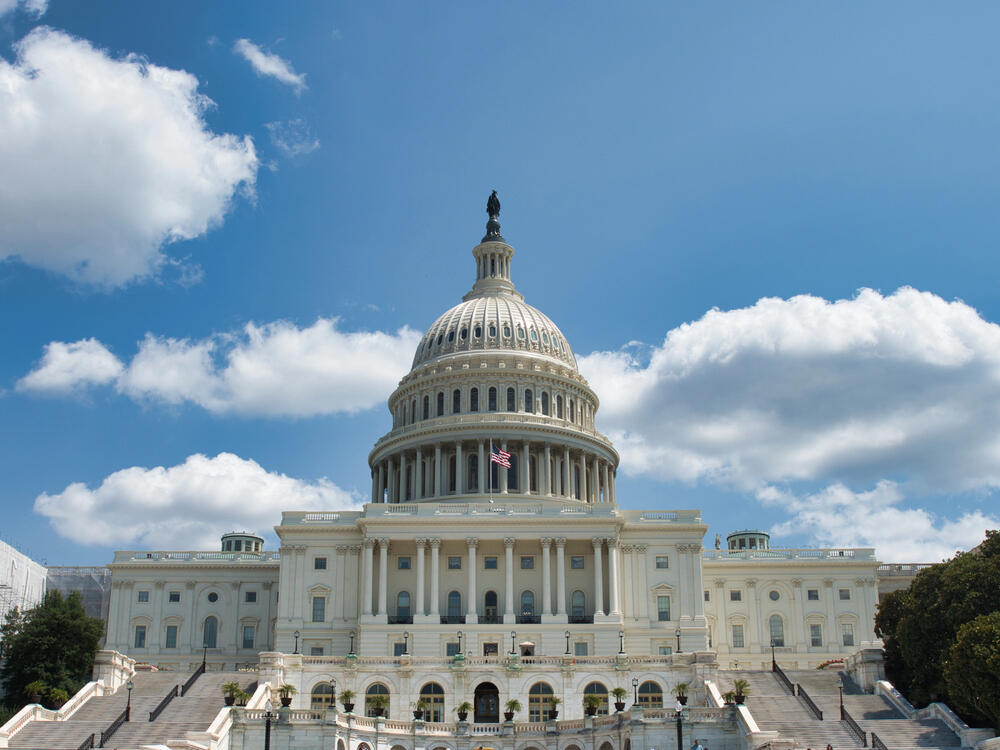
House Passes Terrorism Insurance Reauthorization
The U.S. House passes its terrorism insurance reauthorization bill, which would reauthorize the program for another seven years.
Last Monday, the U.S. House Financial Services Committee passed H.R. 7128, the “TRIA Program Reauthorization Act of 2026.”
Rep. Mike Flood (R-Nebraska), chair of the Housing and Insurance Subcommittee, is the original sponsor of the legislation. The bill passed the U.S. House of Representatives with broad bipartisan support by a vote of 373-15 and now awaits consideration in the U.S. Senate.
Since its initial enactment, the Terrorism Risk Insurance Act (TRIA) has undergone four additional reauthorizations—in 2005, 2007, 2015, and 2019—with many reforms to protect taxpayers and increase private-sector involvement. Congress created TRIA after 9/11 to establish a system for sharing public and private compensation for insured losses from certified acts of terrorism.
InsurTech/M&A/Finance💰/Collaboration

FM and PURE Insurance Partner to Strengthen Loss Prevention for High-Value Homes
FM, a leading commercial property insurer known for its science- and engineering-led approach to risk management, and PURE Insurance (PURE), the reciprocal insurer exclusively serving high-net-worth families across the United States and Canada, today announced a strategic partnership, expanding FM’s leading loss prevention capabilities to protect high-value residential homes.
The partnership establishes a long-term collaboration to bring FM’s research, engineering and loss prevention expertise to PURE members to help build resilience in their properties. It also includes a risk-sharing reinsurance agreement under which FM will share in PURE’s underwriting results.
Together, the companies will focus on developing new ways to help high-value homeowners better understand risk, strengthen resilience and prevent loss. Initial efforts will address the most complex homeowner risks—including wildfire-exposed properties—against which FM has helped its clients protect for decades.
“We chose the PURE team as our partners as we enter this space because they share the belief that the majority of property loss is preventable through stronger understanding of risk and close collaboration with clients,” said Malcolm Roberts, chairman and chief executive officer of FM. “With FM’s engineering expertise, leading research capabilities and nearly two centuries of helping clients mitigate risk and build resilience, we see a unique opportunity to partner with PURE and bring that same approach to its members.”
Australia's Steadfast exclusivity period extended as US consortium reaffirms $5.3 billion bid
Australia's Steadfast (SDF.AX), said on Thursday that Amwins Group and Dragoneer Investment had reaffirmed their takeover proposal valuing the insurance broker at A$7.7 billion ($5.34 billion), prompting a four-week extension of the exclusivity period.
Here are some details:
- The consortium reaffirmed its offer of A$6 per share, which values the Sydney-headquartered firm at an enterprise value of A$7.7 billion.
- Under the proposed transaction, Amwins, an insurance distributor, will acquire Steadfast's underwriting agency operations, while U.S.-based Dragoneer Investment will take control of the retail brokerage business.
Ed. Note: according to Steadfast's website:
Steadfast Group is the largest general insurance broker network and the largest group of insurance underwriting agencies in Australasia, with growing operations in Asia and Europe.Steadfast Group has three business units primarily focused on the intermediated general insurance market. By working together, our three business units empower Steadfast to serve our main goal – ensuring our brokers provide their clients with exceptional service and superior products.