
News

U.S. P&C Insurers Post Strong Underwriting Gains Through First Half of 2026; Line-Specific and Geographic Challenges Persist
Verisk (Nasdaq: VRSK), a leading strategic data analytics and technology partner to the global insurance industry, and the American Property Casualty Insurance Association (APCIA), the primary national trade association for home, auto and business insurers, today reported an estimated net underwriting gain of $31.7 billion for the U.S. property/casualty (P&C) insurance industry in the first half of 2026, up from the $11.6 billion underwriting gain recorded through midyear 2025, when industry results were significantly affected by catastrophe losses from the Los Angeles wildfires.
According to key financial indicators for private U.S. P&C insurers, while industry underwriting gains improved during the first half of 2026, performance varied by line of business and geography. Net written premium growth slowed to 2.1 percent, reflecting competitive market conditions as rate increases moderated. Policyholders' surplus increased to $1.3 trillion, strengthening insurers' ability to absorb future catastrophe losses and support long-term market stability. Half-year profitability was also supported by higher investment income; however, catastrophe exposure remains elevated and continues to pose significant long-term risk.
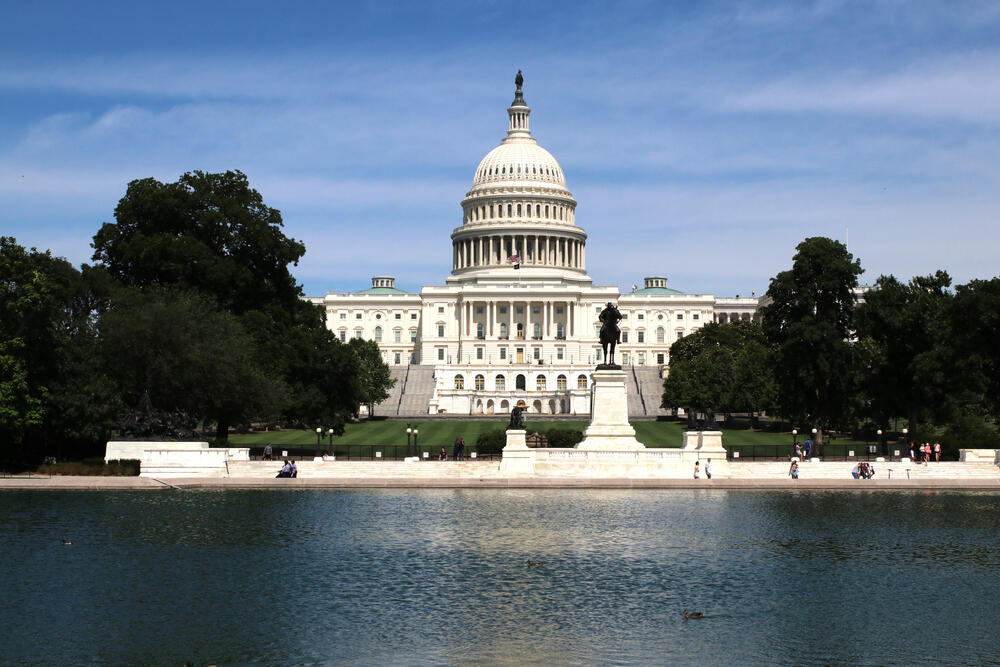
House Extends NFIP Through Dec. 11
The U.S. House of Representatives passed yet another continuing resolution (CR), which will fund the federal government at current levels through Dec. 11.
On Tuesday, the U.S. House of Representatives passed yet another continuing resolution (CR), which will fund the federal government at current levels through Dec. 11. Importantly, the CR included a reauthorization of the National Flood Insurance Program (NFIP).
This is the 36th time since the end of the 2017 fiscal year that the NFIP has been reauthorized on a short-term basis.
The Big “I” continues to communicate with congressional leadership about the importance of reauthorizing the NFIP, explaining why a lapse in the program would be devastating for policyholders and negatively impact various industries.
Research
Insurance’s Verification Gap Amid Rapid AI Adoption
Clearspeed, the global leader in voice-based risk assessment, today released new research examining the growing challenge for insurers to move faster with AI and automation while determining whether the information those systems act on can be trusted.
The Speed of Trust: Building the Trust Intelligence Layer for Insurance in the Age of Agentic AI, commissioned by Clearspeed and independently authored by insurance innovation strategist Sabine VanderLinden, CEO of Alchemy Crew Ventures, draws on a review of 76 public filings from 49 insurers and reinsurers, 31 industry studies, and 16 interviews with claims and underwriting leaders at insurance companies across the United States and United Kingdom.
The research identifies a paradox emerging as insurers rapidly adopt AI and automation: the industry is automating decisions, handoffs, evidence review, and customer interactions faster than it is building the infrastructure needed to clear those interactions confidently. Simultaneously, AI is making it faster and easier to create convincing false or manipulated photos, documents, voices, and identities that can enter insurance workflows.
AI in Insurance

AI gains influence over auto and home insurance decisions
Among customers who used AI to research insurance products or coverage, 37% said the information they received prompted them to change their policy.
Artificial intelligence is beginning to play a meaningful role in how consumers research, shop for and manage auto and home insurance, with nearly one in three policyholders turning to AI tools for help, according to a new study from J.D. Power.
The inaugural J.D. Power U.S. AI Insurance Experience Study found that 29% of auto and home insurance customers have used AI to research insurance products or coverage, service an account, better understand coverage before filing a claim, or obtain quotes and shop for a new policy.
The technology is also influencing purchasing decisions. Among customers who used AI to research insurance products or coverage, 37% said the information they received prompted them to change their policy. Among those who used AI while shopping for a new policy, 42% ultimately purchased a policy based on their AI-assisted research.
"AI is rapidly becoming a critical conduit to key policy shopping, research and account management decisions among auto and home insurance customers," said Tony Soloman, director of insurance intelligence at J.D. Power, in a recent press release.
AI should handle submissions, not underwriting judgment
Cytora strategist Tatum Fish on where AI adds value in underwriting workflows.
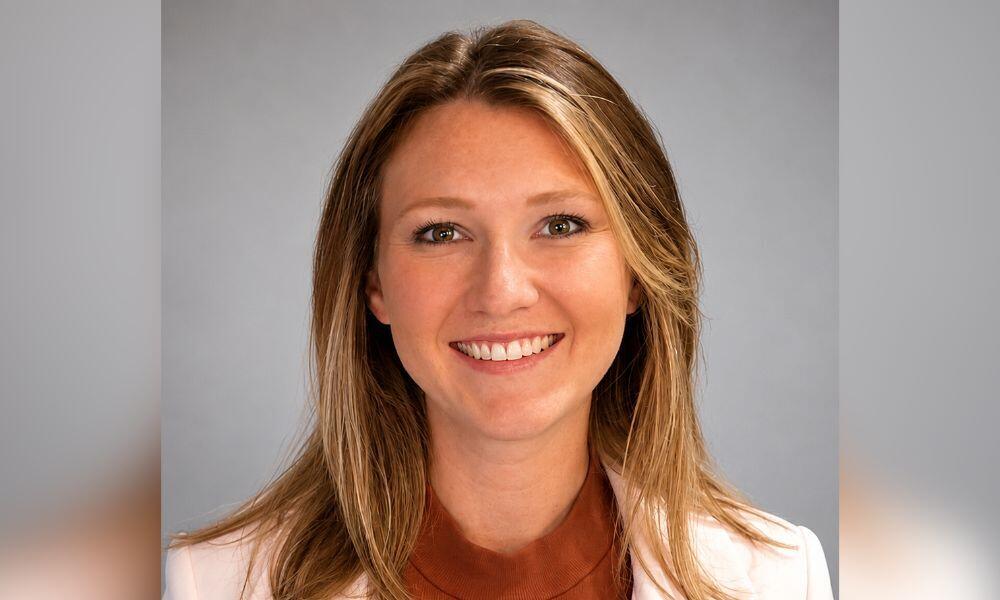
Insurance is navigating a generational handover just as artificial intelligence adoption accelerates, and Tatum Fish (pictured), strategic value architect at Cytora, says the industry's most effective AI deployments have nothing to do with replacing underwriters and everything to do with clearing the administrative work in front of them.
Having worked inside a global carrier before moving into insurtech, Fish said the goal should never be automating the underwriter but automating the tasks that keep the underwriter from doing what only they can do.
Freeing up time for judgment, not replacing it
"It's not about saying we need AI everywhere," Fish said. "It's more about asking: where are people spending time today that doesn't require their expertise, so that we can bring AI into the process to give them more time and efficiency."
State News
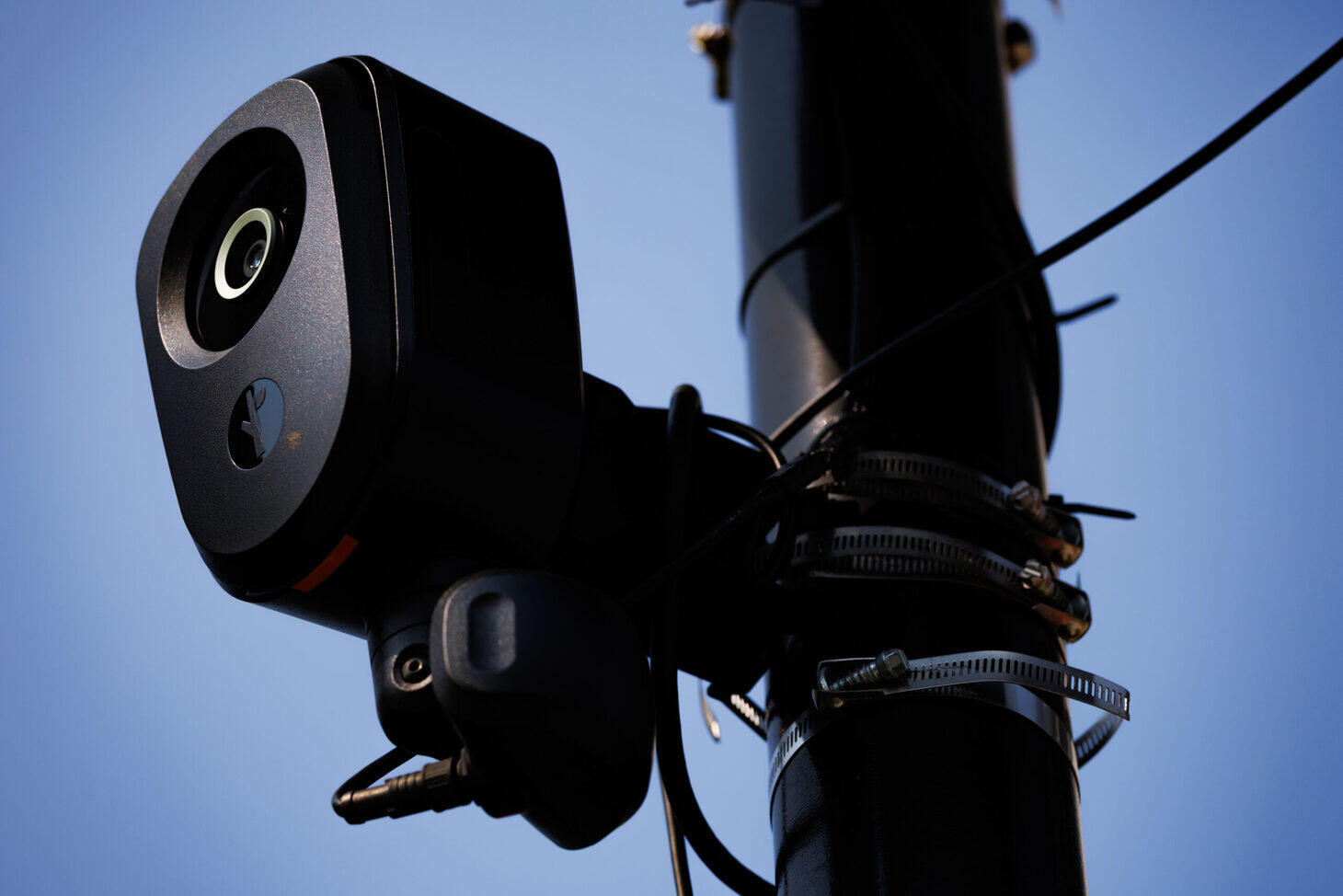
Florida Bans Flock Cameras, License Plate Readers From State Roads
Florida banned local police from installing license-plate readers on state roads, responding to growing concern about the proliferation of surveillance cameras made by Flock Safety and other companies.
The Florida Department of Transportation on Monday revoked all permits for local law-enforcement agencies to operate license-plate reader systems, ordering any that have been installed removed from state roadways within 30 days. The department said in a memo that use of the devices had seen an exponential increase, and that “concerning reports of misuse, data privacy concerns, and surveillance schemes merit immediate action to preserve Floridians’ sovereignty and quality of life.”
Gov. Ron DeSantis urged the state legislature to consider restrictions on Flock cameras so Florida won’t “turn into some type of digital prison.” DeSantis has emerged as a leading critic of the tech industry among Republicans, this year enacting far-reaching regulations on AI data centers in the state.

Car insurance fee paid for thousands of Flock cameras in Texas
In 2023, the Texas Legislature unanimously passed a law raising auto insurance costs for Texans by $1 to combat rampant catalytic converter theft.
Three years later, a little-known state agency has devoted at least $30 million of that fee toward supercharging the state’s Flock surveillance network, placing cameras along highways and streets from El Paso to the Louisiana border, an analysis by The Texas Tribune found.
The Motor Vehicle Crime Prevention Authority, led by a board mostly appointed by Gov. Greg Abbott, has turned the $1 fee hike into at least 3,200 Flock cameras.
The agency has awarded no fewer than 95 grants to help law enforcement agencies purchase and maintain about 2,000 Flock cameras. Another $15.9 million is helping the Texas Department of Public Safety add almost 1,200 more.
The effort is far from over. In early August, the agency approved another $3 million to help DPS install 583 more cameras along Texas tollways over the next year.
Predict & Prevent

Water damage has the highest denial rate of any homeowners claim - it matters for every client
Mercury Insurance has published guidance urging homeowners to address maintenance issues - roof shingles, plumbing drips, clogged gutters, cracked caulk, HVAC upkeep and overhanging branches - before they escalate into larger problems.
Adam Bakonis, Mercury's director of homeowner product management, framed the message around prevention. "Home maintenance is easy to postpone because many problems don't look serious when they first appear. The problem is that water and weather can continue causing damage in places homeowners may not see," Bakonis said.
For insurance professionals, Mercury's list reads less like general consumer advice and more like a checklist of the exact failure points that generate the most disputed claims in the industry. Every item on it sits directly on the line between what a standard homeowners policy covers and what it explicitly excludes.
InsurTech/M&A/Finance💰/Collaboration

Samsung’s insurance units seek to acquire Canopius, PFG stakes in $6.6 billion deals
Samsung Fire & Marine moves to take full control of a leading Lloyd’s specialty insurer while Samsung Life targets a major stake in a US retirement services giant, marking one of Korea’s largest-ever cross-border M&A deals
Samsung Group’s two flagship insurance units are preparing a combined overseas acquisition push worth up to 9 trillion won ($6.6 billion), in a bold effort to secure growth beyond South Korea’s saturated insurance market and establish a stronger foothold in the world’s largest insurance and retirement savings markets.

Root Insurance and Carvana Extend Embedded Insurance Agreement
ROOT (NASDAQ: ROOT), the leading technology company in car insurance, today announced the extension of its exclusive embedded partnership with Carvana (NYSE: CVNA).
Root and Carvana launched Carvana Insurance Built with Root,, their inaugural embedded insurance product, in 2022, creating an industry-first seamless, fully integrated experience that brings personalized insurance directly into the car-buying journey.
The result redefined the purchase experience for customers, creating a simpler, faster, more intuitive way to buy both a car and insurance. In less than four years, the partnership surpassed 200,000 policies sold. Carvana Insurance Built with Root combines Carvana's leading customer experience with Root's world-class data science platform. Together, the companies created an industry-first, 3-click insurance purchase at the point of sale that removes friction from a traditionally complex process.
"The program results, paired with this renewal, demonstrate the power of giving customers exactly what they want: easy, simple insurance—something this program uniquely delivers," said Alex Timm, Founder & CEO of Root Insurance. "We're so excited about what this means for today's car shoppers and how they can finally have a delightful purchase experience.
People
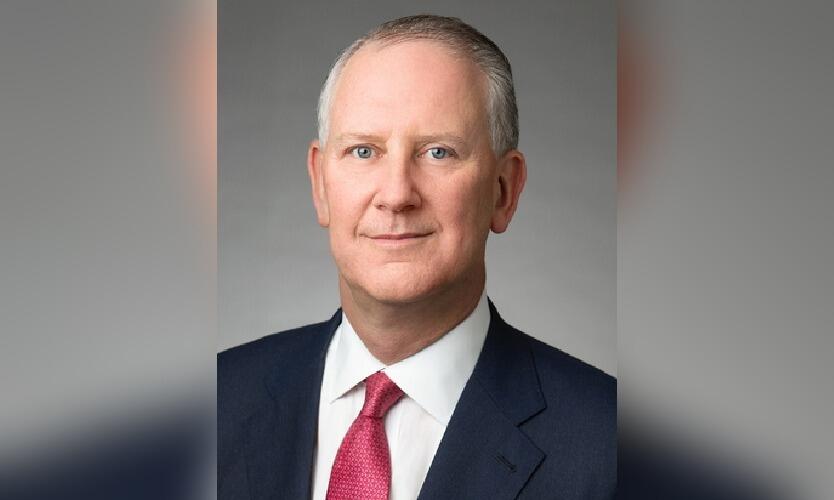
Zaffino to leave AIG, join Palantir - Business Insurance
Peter Zaffino will step down as executive chairman of American International Group later this month and join data analytics company Palantir Technologies in January as global head of financial services, the companies said Wednesday.
Mr. Zaffino, who joined AIG in 2017 to help lead a turnaround of the then-struggling insurer, will become a senior adviser to the company, AIG said in a statement. He will join Palantir on Jan. 15.
AIG’s board elected John Rice, its lead independent director, to succeed Mr. Zaffino as chairman effective Sept. 15. Mr. Rice, a former General Electric executive, has been an AIG director since 2022.