
News

U.S. Property Claim Volume Falls as Severity Poised to Climb, Verisk Q1 2026 Report Shows
U.S. property claim volume fell sharply in Q1 2026 even as severity figures — once fully matured — may reach near-record levels, according to Verisk Property and Restoration Solutions, as reported by Risk & Insurance.
The big picture: Fewer claims does not mean a cheaper quarter, as maturation patterns from recent quarters suggest final average losses could rank among the highest on record, signaling that exposure per claim is growing even as overall volume retreats.
By the numbers:
- Claim volume fell 8.9% year-over-year and ran more than 13% below the five-year average.
- Average replacement cost value currently sits at $16,079 — but applying recent maturation rates puts the likely final figure at $17,687, which would rank as the second-highest on record.
- Winter storms Fern and Hernando together generated more than 46,000 ice, snow, and collapse claims totaling over $478 million in estimated replacement cost value.
- Hawaii posted a CAT-claim surge of more than 1,900% year-over-year, driven by a March Kona low that produced more than 2,000 claims and an estimated $14 million in losses.
What the FIFA World Cup teaches us about protecting mega-events
As North America hosts the largest FIFA World Cup in history, risk managers looking beyond the matches themselves.
With 48 teams, 104 matches and millions of fans expected across the US, Canada and Mexico, the tournament’s unprecedented scale is providing a blueprint for how organizations should approach risk planning for any large public event.
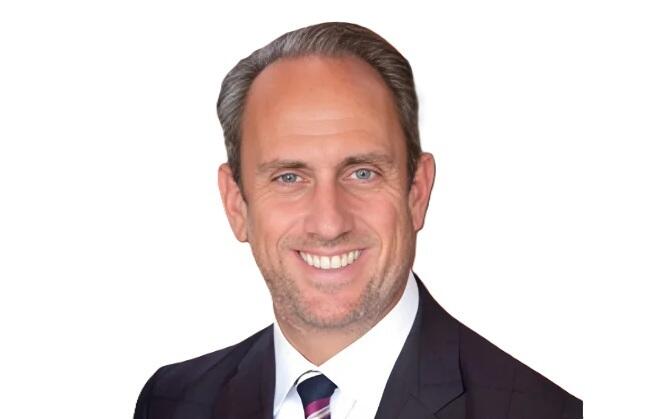
For Jeff Lang (pictured), senior vice president at Trucordia, the insurance challenge isn't simply protecting stadiums. It's also safeguarding an interconnected ecosystem where transportation networks, hotels, sponsors, broadcasters, technology providers and government agencies all depend on one another.
"This is much more than a sporting event," Lang said. "These are essentially temporary global cities. For 30 to 60 days, you've got millions of people, billions of dollars, dozens of venues, transportation networks, hotels, sponsors, broadcasters, and even government agencies all converging. The insurance challenge is protecting this interconnected ecosystem where one disruption can cascade through multiple stakeholders."
Climate/Resilience/Sustainability

SHIFTING PATTERNS IN HOME INSURANCE LOSS TRENDS
Severe storms and billion-dollar weather events expose homeowners and home insurance carriers to new levels of risk each year.
In 2025, there were 23 weather disasters in the U.S., costing $115 billion in damages. The Los Angeles wildfires accounted for more than $61 billion of that total, making it the costliest U.S. wildfire ever recorded. This highlights the significant impact even a single billion-dollar climate disaster can have on your book of business.
To help inform your risk selection and pricing strategies, this year’s LexisNexis® U.S. Home Trends Report shares seven-year trends related to loss cost, and claims frequency and severity for fire, wind, hail, lightning, weather related water, non-weather related water, theft, liability and other perils.
Read the report to discover insights including: - All Peril severity rose 93.2% from 2019. - Fire and Lightning loss cost increased 76.8% from 2024. - California had the highest loss cost in 2025 for All Peril claims, driven by the Los Angeles fires.
Research

America's wealth boom is creating a new generation of underinsured clients
The US minted more than 440,000 new millionaires in 2025 - over 1,200 a day - according to the UBS Global Wealth Report 2026, as surging equity markets and a wave of liquidity events rapidly expanded the country's affluent population. The US accounted for nearly half of all new millionaires worldwide.
But insurance specialists warn that many of the newly wealthy are walking into a risk landscape they're not equipped for, carrying policies designed for an earlier, leaner stage of life.
"More individuals and families are experiencing significant wealth growth, whether through the sale of a business, equity compensation, stock appreciation or other liquidity events," said Diane Delaney (pictured on the right), executive director of the Private Risk Management Association (PRMA). "Many transition into the high-net-worth market without realizing they have outgrown their insurance program. Their wealth has changed, but their insurance often hasn't."

Old vs. New Chevy Blazer Crash Test Shows How Much Safety Has Improved Since the ’90s
The IIHS claims its testing program has saved nearly 50,000 lives over the past 30 years.
The Insurance Institute for Highway Safety (IIHS) recently pitted a 1996 Chevrolet S-10 Blazer against a 2026 Blazer to show how much its testing program has helped improve car safety over the past 30 years.
The cars were crashed head-to-head under the same parameters as the IIHS’s moderate overlap front test, which normally involves a single car being run into a stationary barrier at 40 mph. The front end of the new Blazer absorbed most of the impact, keeping the cabin intact, which would have allowed a real-life driver to walk away with only minor “bumps and bruises,” according to an IIHS press release. In contrast, the 1996 S-10 Blazer’s was compressed, pushing the dashboard and steering column into the crash-test dummy’s lap. Instead of softening the blow, the airbag hit the dummy in the chin, pushing its head back with such force that it detached.
Steve Greenfield's, Weekly Intel Report
Announcements

Bamboo Insurance Introduces Essential Homeowners Program Focused on Core Coverage Needs
Bamboo Insurance today announced the launch of its Essential homeowners program, a new HO2 product designed for homeowners who want basic coverage delivered with speed, clarity, and affordability.
The Essential program provides a lower-cost option focused on core protection, with a streamlined approach that makes it convenient for homeowners to secure coverage. It is intended for homebuyers and homeowners seeking a practical solution in a constrained insurance market.
The program is designed to accommodate a broader range of properties, including older homes and those with prior loss history, which may present challenges in the standard admitted market. Coverage is available for owner-occupied primary residences as well as seasonal or secondary homes.
"The Essential program is another step in our ongoing commitment to providing reliable, accessible insurance for Californians," said John Chu, CEO of Bamboo Insurance. "As coverage options become more limited and affordability remains a challenge, we're focused on making it easier and faster for homeowners to get the core protection they need."
Financial Results
Guidewire Growth Trends Show How AI and Services Are Evolving
Guidewire's cloud migration, AI workflow tools and services growth deepen its insurer modernization story, but execution and margin mix remain key tests.
Why Guidewire Benefits From Insurer Modernization
P&C insurers continue to move away from legacy systems and toward cloud-based platforms that can support policy, billing, claims, pricing and underwriting workflows. Guidewire sits directly in that shift, with its cloud platform positioned as a core operating system for insurers.
In third-quarter fiscal 2026, Guidewire closed 11 cloud deals, including two net-new core system wins. The wins included a seven-year expansion with Auto Club of Southern California, a strategic net-new cloud win with Bradesco Seguros in Brazil, a U.K. ClaimCenter selection and a PolicyCenter win at a large U.S. insurer.
Guidewire's AI push is becoming more practical through ProNavigator. The company completed five ProNavigator deals in the third quarter as insurers looked to embed AI-driven knowledge and workflow automation into core operations.
Services revenue rose 32% year over year to $71.8 million in the third quarter. That growth reflects demand for Guidewire-led services programs, field engineering work and support for customers using Guidewire Cloud Platform.
AI in Insurance

The Insurance Industry's AI Challenge - The National CIO Review
Artificial intelligence is becoming a larger part of enterprise operations, prompting insurers to reassess how AI-related risks fit within existing coverage.
As organizations deploy generative AI and agentic AI, insurers are evaluating how policies should apply when AI contributes to cybersecurity incidents, business losses, or legal claims.
The insurance industry has not settled on a single approach. Some carriers continue covering AI-related incidents under existing cyber and technology policies, while others are introducing AI-specific coverage or adjusting policy language as enterprise AI adoption continues.
Organizations are adopting AI faster than insurance products and legal precedent can fully mature. As insurers refine coverage and underwriting practices, insurance is becoming another factor in how businesses evaluate AI-related risk.
Why It Matters: AI is introducing risks that don’t always align with existing insurance models. As organizations expand AI into business operations, understanding how those risks are covered may become part of evaluating AI deployments, managing enterprise risk, and preparing for potential financial exposure.

‘AI communication gap’ leaves negative impression on customers
An "AI communication gap" could negatively affect consumer reviews, according to a recent report on customer satisfaction.
Some insurers should reconsider how they use artificial intelligence for customer service, as a new Trustpilot report found that an "AI communication gap" could negatively affect consumer reviews.
In a recently released report, Danish reviews website Trustpilot found customer ratings of American insurance companies tanked when a complaint was not addressed or escalated along a human chain — especially during times of crisis.
Compounding the issue, consumer reviews mentioning AI, particularly with being looped in a system and unable to contact a human, were significantly more negative than reviews that did not mention AI.
“Ultimately, insurance companies are often dealing with consumers during tragic or really frustrating times in their lives,” Taylor Cunningham, Trustpilot’s vice president of U.S. marketing, said. “It’s really important to consumers, based on the trends that we’re seeing in these reviews, that they feel heard and listened to and understood. It really can’t be understated.”
Cunningham acknowledged that this can be a challenge as many businesses, including insurance companies, are facing increasing pressure to adopt AI. However, she emphasized the need for a balanced approach to avoid driving customers away.
Commentary/Opinion
Why insurance innovation keeps failing — and how mea Platform is changing this
Across the global insurance value chain, operational spend still accounts for an estimated 12–14 cents of every premium dollar, while only 3–5 cents is typically directed toward activities that generate true competitive differentiation
Despite billions invested in digital transformation programmes and, more recently, artificial intelligence, much of the industry continues to rely on fragmented systems and manual workarounds. Additionally, many of the highest paid (and most important) talent in the industry still spend the majority of their time on manual workflows.
Speaking to FinTech Global, as part of the prestigious AIFinTech100 list, mea Platform’s Chief Marketing Officer Elliott Bundy argued that he sees the issue as structural rather than technological.
“The insurance industry made a fundamental bet that spending on processes and the back office would create differentiated performance. It hasn’t. The bet was wrong, and today, competing on the back office means losing the opportunity to work where it matters,” says Bundy.
Instead of rethinking how insurance work is executed, most firms have digitised existing processes, layering new tools on top of legacy infrastructure without fundamentally changing how decisions are made or workflows are run.
That gap between ambition and execution is where a new category of insurance-native platforms is beginning to emerge in the form of operational infrastructure, rather than the more traditional and more loosely defined “tools”.
State News
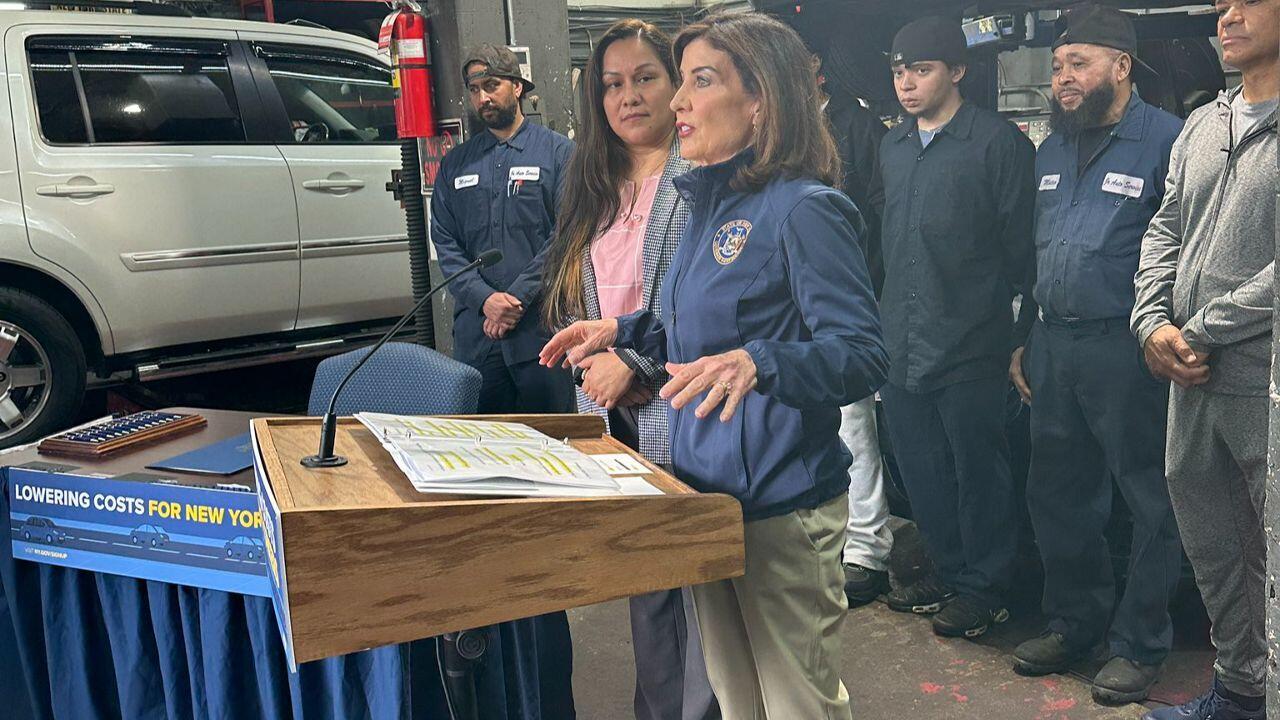
Hochul orders auto insurance companies to show their work
The auto insurance law changes were billed as a cornerstone of Hochul’s affordability agenda
Companies are expected to factor in the following changes, according to Hochul’s team:
- Expanded Definition of “Fraudulent Insurance Act”: Prosecutors are now able to seek criminal penalties against all individuals responsible for organizing or facilitating a staged accident, not just the individual behind the wheel.
- Limiting Damages for Individuals Engaging in Unlawful Behavior at the Time of an Accident: Damages are capped for drivers engaging in criminal behavior at the time of an accident to ensure drivers who violate the law, including uninsured motorists, drunk drivers and drivers in the act of committing a felony, do not receive disproportionate financial recoveries at the expense of policyholders.
- Tightening the Serious Injury Threshold: The enacted budget modifies the definition of “serious injury” so damages for pain and suffering or emotional distress are reserved for those able to objectively demonstrate they have suffered serious injuries.
- Limiting Damages for Individuals Who Are “Mostly” At Fault in Causing an Accident: Drivers found to be primarily responsible for causing an accident are now unable to sue other parties for outsized damage payments. This change puts New York in line with most other states.
- Updates to Approval Authority Over Auto Insurers’ Rates: New limits have been put in place requiring companies to seek express prior approval from DFS before any upward rate changes.
Telematics, Driving & Insurance
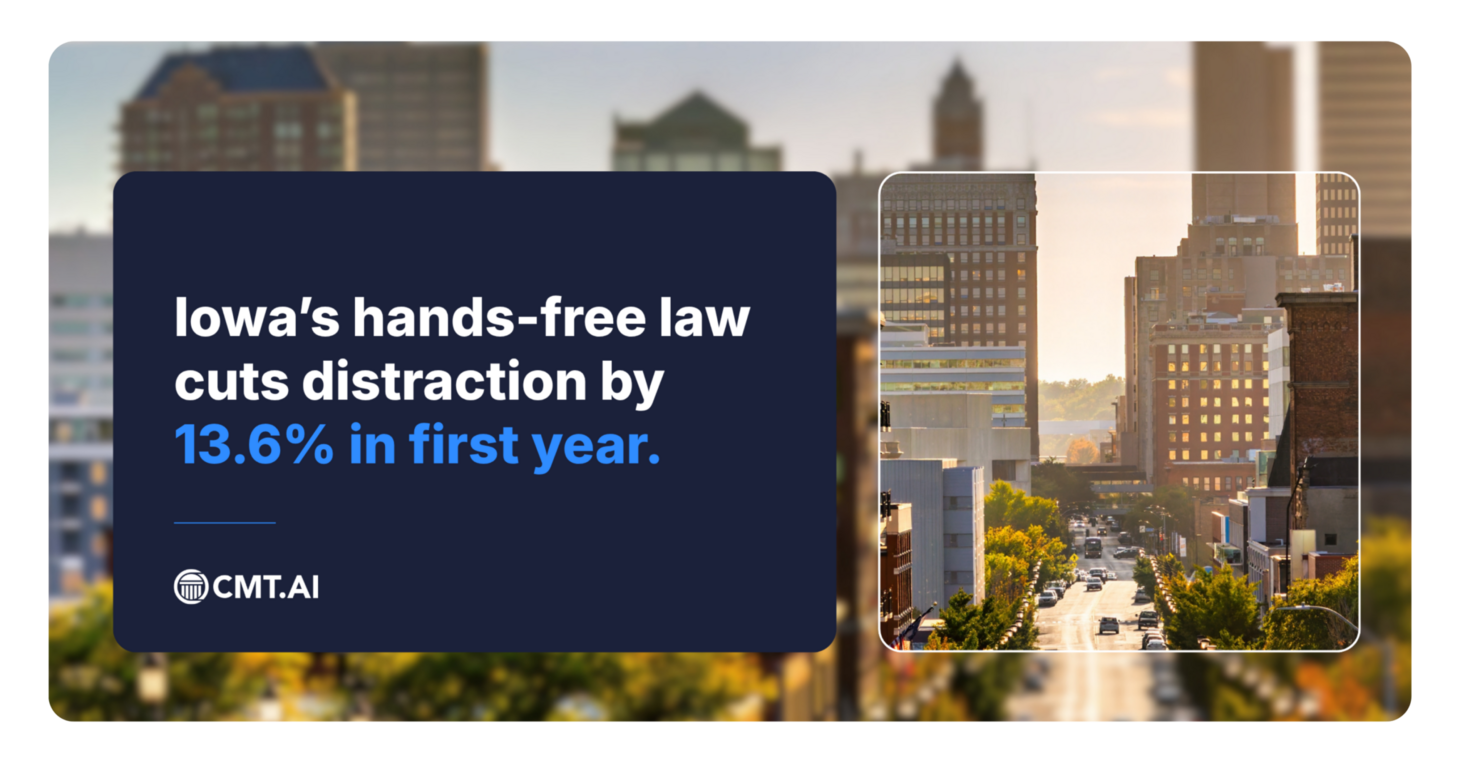
New data shows reduction in distracted driving in year since Iowa’s adoption of hands-free law - Cambridge Mobile Telematics
One year after Iowa’s Hands-Free Driving Law took effect prohibiting motorists from handling a cell phone or electronic device while driving, new data from Nationwide and Cambridge Mobile Telematics (CMT) shows clear declines in phone-related distraction behind the wheel — an encouraging sign the law is helping to increase safety on Iowa roads.
Based on analysis of claims resulting from an auto collision, Nationwide found that a driver is 3.5 times more likely to be involved in a crash when driving distracted. Iowa drivers are showing measurable behavior change since the law took effect on July 1, 2025.
The data suggests that an education campaign, a six-month warning period, and full enforcement effective January 1, 2026, have contributed to more drivers putting the phone down and focusing on the road.
By the numbers:
- 13.6% reduction on screen-tapping interactions since full enforcement, an improvement from 5.9% during warning period
- 9.1% reduction in handheld calling since full enforcement, an improvement from 8.2% during warning period.
- During full enforcement, Iowa drivers logged about 140,700 fewer phone-motion events than expected based on pre-law driving behavior