
Climate/Resilience/Sustainability
Q1 2026 Natural Catastrophe Losses Fall Well Below Average, Leaving Insurers in Strong Position
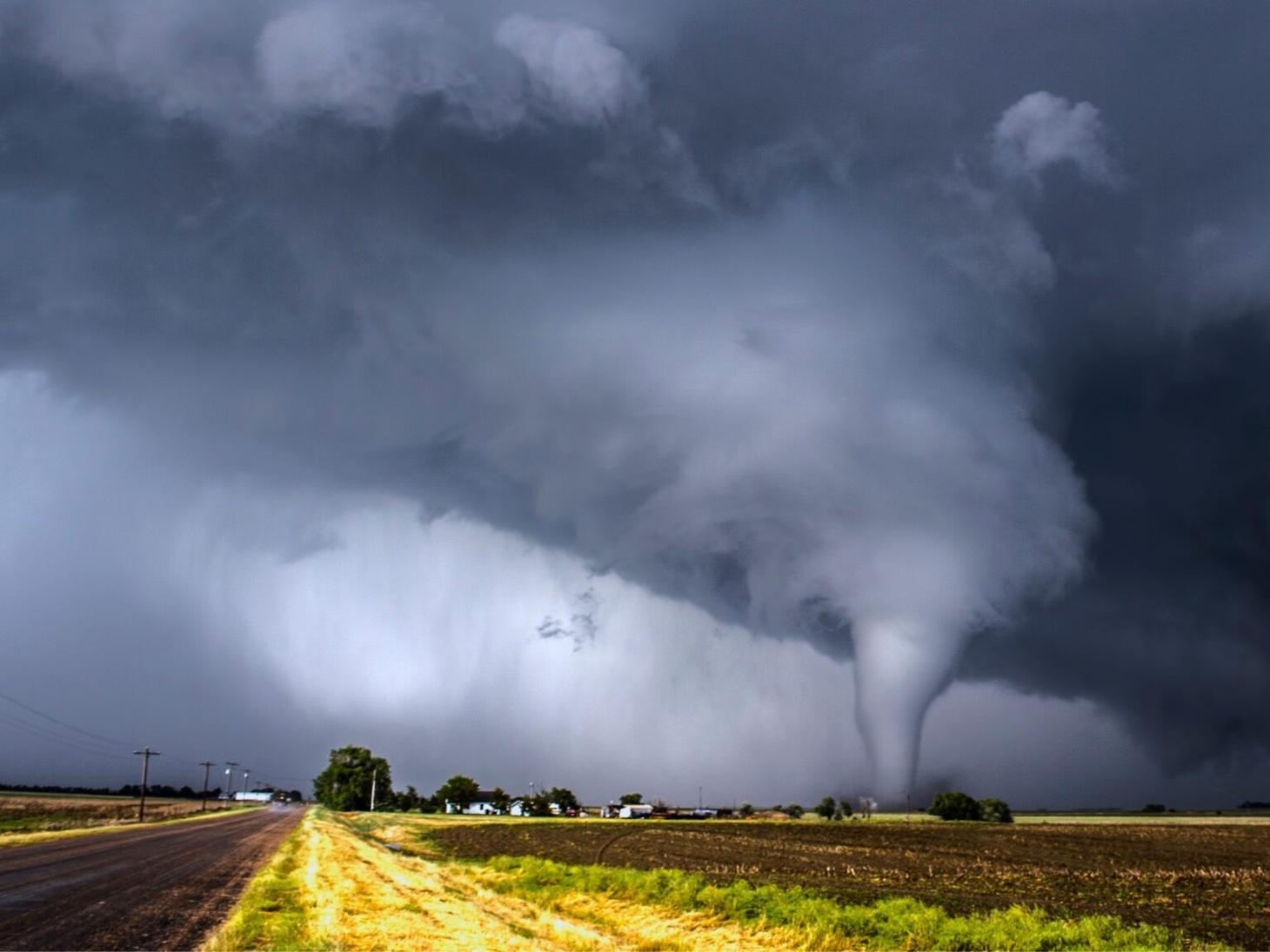
Global insured losses from natural disasters totaled $20 billion in the first quarter of 2026 — 26% below the 10-year average — according to Gallagher Re's latest Natural Catastrophe and Climate Report.
The big picture: The below-average quarter marks the fourth consecutive three-month period with aggregated insured losses below $40 billion, the longest such stretch since early 2019 through mid-2020. - No single event exceeded $10 billion in insured losses, and the U.S. accounted for 74% of global insured costs, driven by severe convective storm activity. - The manageable start gives the global insurance and reinsurance industry ample catastrophe budget heading into peak season.
By the numbers: - $58 billion in total economic losses occurred in Q1, sitting 12% below the 10-year first-quarter average of $67 billion. - 17 individual billion-dollar economic loss events struck globally, but only two multi-billion-dollar insured loss events materialized, the fewest since 2021. - 80% to 90% of annual U.S. severe convective storm insured loss growth over the past 25 years stems from non-hazard factors, not changes in storm behavior. - 14.3 million new housing units were added in the top 20 SCS loss states since 2000, compounding future loss exposure.
The takeaway: A quiet start to 2026 gives insurers significant financial cushion, but non-hazard drivers — rising construction costs, population migration, and emerging exposures like rooftop solar and data centers — signal long-term catastrophe losses will climb independent of storm behavior.
Research
Car Buyers Sinking Into Record Levels of ‘Underwater’ Debt - WSJ
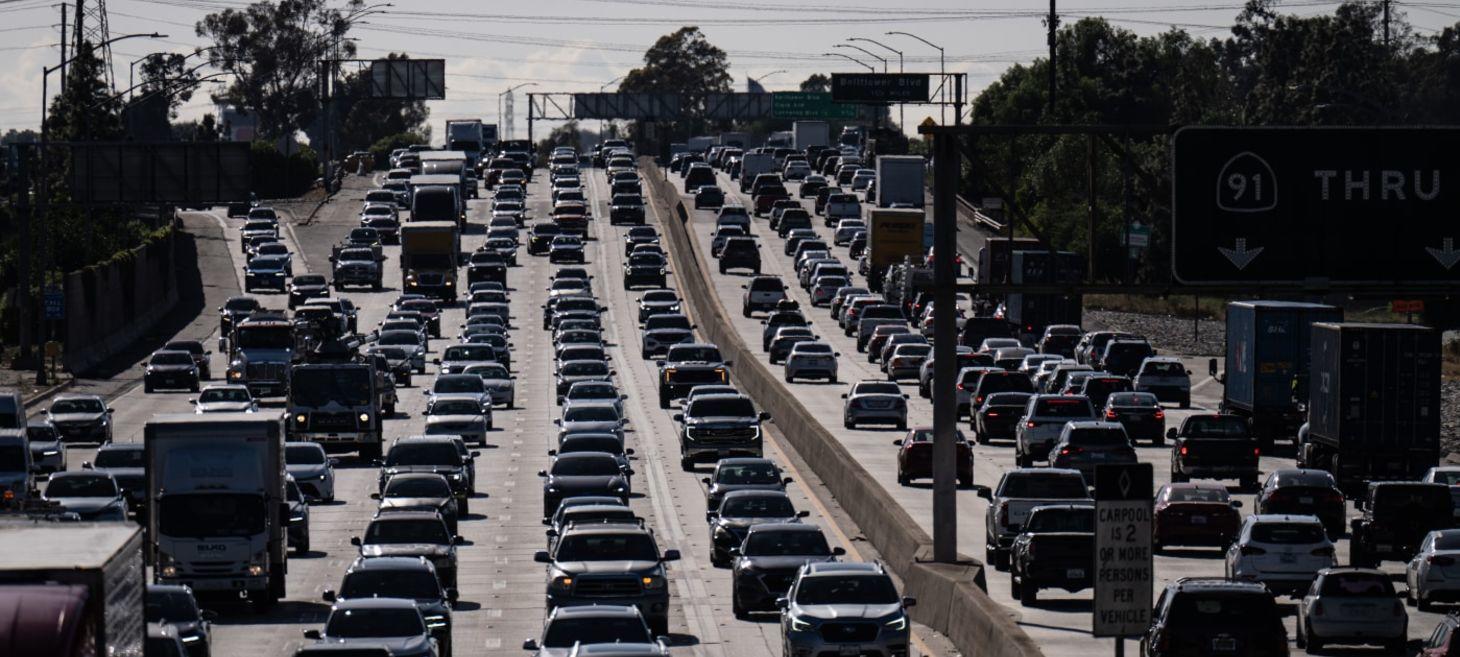
Doug Horner has seen plenty of customers walk into his northeast Ohio Mercedes-Benz dealership who owe more on their trade-ins than those cars are worth. But being $40,000 underwater on a pickup truck is a scary sign of a growing trend.
A prospective buyer recently sought to trade in a Ford F-150 Lightning for a Mercedes GLE Coupe, but that potential customer owed about $87,000 on the pickup truck. Horner estimates the Ford pickup truck was worth about $47,000—leaving the buyer well underwater.
“This is a battle that we’re fighting every day,” Horner said in an interview.
More Americans turning in their cars to buy new ones are encountering a difficult reality: Their vehicles aren’t worth what they owe.
Insurance Agents Say These 12 Claims Are Rising — And Costing Homeowners Big
For years, home insurance has been one of those quiet necessities, something you pay for, rarely think about, and hope you never need. Yet lately, insurance agents are seeing a shift toward certain types of claims once considered occasional or even rare. Moreover, the impact isn’t limited to the homeowners filing them. Rising claims are …
For years, home insurance has been one of those quiet necessities, something you pay for, rarely think about, and hope you never need. Yet lately, insurance agents are seeing a shift toward certain types of claims once considered occasional or even rare. Moreover, the impact isn't limited to the homeowners filing them.
Rising claims are one of the key reasons premiums are climbing across the board, even for people who've never filed a claim.
In other words, you don't have to make a mistake to pay for one. Industry data shows that everything from extreme weather to everyday maintenance issues is driving a surge in payouts.
As costs rise, insurers are passing that risk back to homeowners, often in the form of higher premiums, reduced coverage, or stricter policy terms. We've identified the most common claims insurance agents say are increasing, examining why they're becoming so expensive.
KPMG: Over half of insurance CEOs anticipate major M&A disruption
A new major report by Big Four giant KPMG has revealed that over 50 per cent of CEOs in the insurance sector expect high-impact M&A deals to affect their businesses, a figure higher than in any other sector in the survey.
Huw Evans, Partner and head of insurance at KPMG, explained to City AM that: “This tells you that firms are increasingly looking to scale up, as they invest more in technology and have to invest more in talent.
“It also tells that some of the smaller players are also doubling down on their investments so that they can make the best possible business they can, the other factor.”
“There is a lot of private capital interest in the insurance market that’s continuing to roll in, and that’s also helping drive that M&A, across the insurance ecosystem,” he added.
The majority of respondents (73 per cent) agreed AI is a top investment priority, down from 81 per cent in 2024.
AI in Insurance
Why speed is becoming the new battleground in insurance pricing
Commercial insurance pricing is no longer constrained by models. It is constrained by speed. Across the industry, carriers are under growing pressure to respond faster to increasingly complex risks while maintaining accuracy, transparency, and consistency in their decisions.
According to the Earnix 2026 Industry Trends Report, insurers are simultaneously navigating tightening margins, emerging risks, intensifying competition, and evolving regulatory expectations.
At the same time, customers and brokers expect faster responses and more personalized outcomes. Pricing decisions must now be delivered quickly while remaining explainable, auditable, and aligned across underwriting, risk, and business strategy.
For many insurers, that combination of speed and control is difficult to achieve.
In many organisations, commercial pricing still operates within legacy environments built for slower decision cycles. Even relatively simple changes to pricing structures or underwriting rules can take months to implement.
Commentary/Opinion
The AI Leapfrog Coming for Insurance Underwriting
In the late 1680s, a man named Edward Lloyd opened a coffeehouse on Tower Street in London. The place filled up with sailors, merchants and ship owners swapping news about which boats had gone down in a storm and which had come back loaded with sugar. Somewhere in that smoky room, over bad coffee, the modern insurance industry was born. People figured out how to put a price on catastrophe. They learned to look at a rotting hull bound for the West Indies and say, with a straight face, “I’ll take that bet for three percent.”
Three hundred and forty years later, the bet is still on. The coffee is better. The paperwork, somehow, is worse.
This is the strange thing Jonathan Crystal keeps bumping into. Crystal runs Crystal Venture Partners, a firm that backs startups working inside the guts of the insurance business, and he spent two decades in brokerage before that. He recently sat down with Karen Webster at PYMNTS to talk about what’s broken, what’s fixable, and the possibility that the oldest risk-pricing industry on earth might be about to leapfrog everybody.
60% of the Mail Never Gets Read MORE
Long-Term Impact of Today's Oil Crisis | Insurance Thought Leadership
For some reason, most Americans seem to think that when the U.S.-Iran conflict comes to an end, oil prices and the broader economy will quickly bounce back to normal. Unfortunately, that is just not realistic, and the longer-term damage is already set in motion. Subject matter experts are predicting a 12- to 18-month correction period once the situation stabilizes. The backup of oil tankers in the Strait of Hormuz will take at least a year to clear.
A year‑long oil crisis would hit both automobile sales and auto insurance in ways that go far beyond just higher gas prices. The short version: vehicle demand would likely shift sharply toward fuel‑efficient and electric models, overall sales could soften, and auto insurance costs would almost certainly rise due to inflation, repair costs, and economic stress. Below is a structured breakdown grounded in recent reporting and economic analysis.
IMPACT ON AUTO INSURANCE
Rising premiums driven by inflation and repair costs. Auto insurers are already facing a "severity crisis": repair costs have surged due to inflation, supply chain issues, and the increasing complexity of modern vehicles. A prolonged oil crisis would worsen these pressures by raising transportation and parts costs. Insurers have been "racing to take rate," and pessimistic outlooks suggest continued premium increases.
Higher replacement costs due to vehicle shortages. If automakers produce fewer vehicles because of high energy costs or supply disruptions, replacement vehicles become more expensive. Insurers must pay more for totaled cars, which pushes premiums higher. This dynamic has already been observed during labor strikes and supply chain disruptions.
Changes in customer retention because of Increased financial stress. When households face sustained high fuel costs, they may struggle to keep up with insurance payments. Analysts warn that squeezed budgets can lead to policy lapses, reduced coverage levels, or shopping for cheaper (and sometimes inadequate) policies.
More accidents in stressed industries. In sectors tied to oil and gas, worker shortages and fatigue have historically increased accident rates, which in turn raise liability claims and insurance costs. While this is industry‑specific, it contributes to overall market pressure.
State News
Airport handed a win in decades-old pollution coverage dispute
A unit of American International Group must face renewed claims that it owes potentially unlimited coverage for environmental cleanup costs at a Southern California airport, after a federal appeals court ruled that its policies did not cap liability for property damage.
In County of San Bernardino v. Insurance Company of the State of Pennsylvania, a three-judge panel of the U.S. Court of Appeals for the Ninth Circuit in San Francisco on Thursday reversed a lower court ruling that had sided with ICSOP, a New York-based unit of AIG.
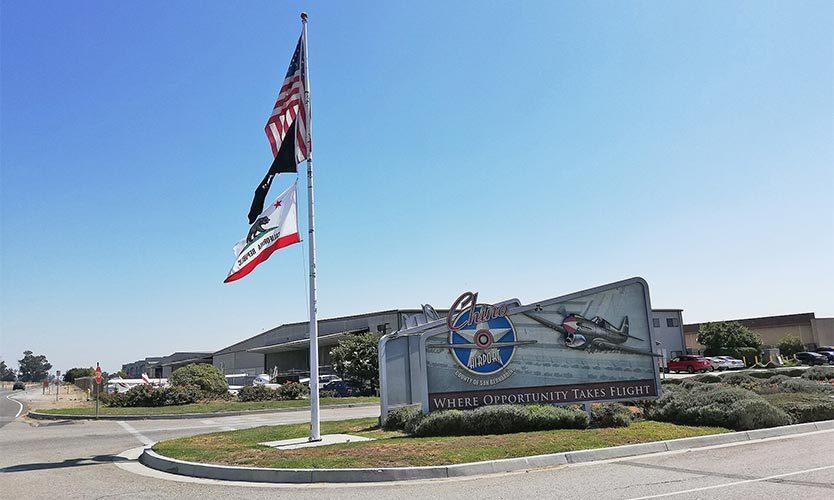
The dispute stems from contamination at Chino Airport, owned by San Bernardino County. Earlier tenants at the airport produced napalm and bombs for the Vietnam War and melted down World War II planes into ingots, leaving industrial waste. In 1990, California water quality regulators ordered the county to clean up a contaminated local drinking water supply. The county sought coverage under three successive umbrella policies it had purchased from ICSOP between 1966 and 1975, each with a $9 million per-occurrence limit.

Will Colorado's new attempt to cut insurance costs succeed where California failed?
Colorado Governor Jared Polis has unveiled an ambitious plan aimed at cutting homeowners' insurance premiums by an average of $800 per year - roughly a 20% reduction - by the end of 2027.
Catchily titled Colorado's Roadmap to Reduce Homeowner's Insurance Premiums, the plan promises to move the state from the sixth-most expensive insurance market in the nation to 13th. For insurance professionals watching a wave of state-level interventions unfold across the country, the critical question is whether Colorado's approach is sound policy - or another political promise destined to collide with market realities.
The answer, experts suggest, may hinge on a fundamental distinction: Colorado is trying to reduce the cost of risk, while states like California spent decades trying to suppress its price. The difference is not semantic - it is the divide between markets that work and markets that collapse.
InsurTech/M&A/Finance💰/Collaboration
Verisk Deepens Claims Ecosystem With US$2.35b AccuLynx Deal And Integrations - Simply Wall St News
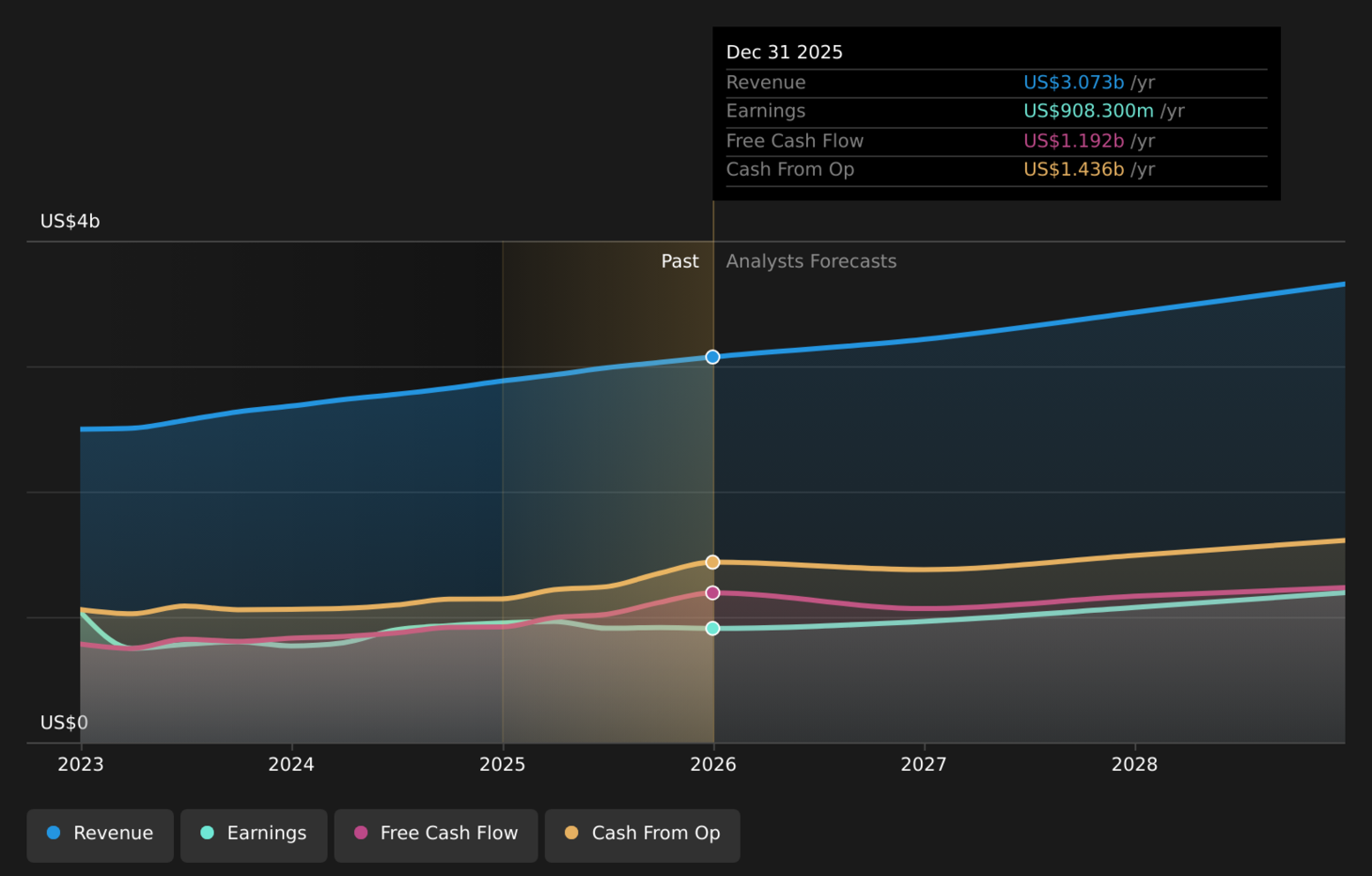
- Verisk Analytics (NasdaqGS:VRSK) has agreed to acquire AccuLynx, a SaaSprovider in the restoration and repair industry, in a pending US$2.35b deal.
- The company expects the transaction to support its property estimating solutions and to be accretive by the end of 2026.
- Recent collaborations include integrations with Roofr Inc. for insurance claim processing and Pilotbird for social media investigative reports.
- These moves expand Verisk's ecosystem for insurance and claims professionals...Verisk Analytics (NasdaqGS:VRSK) has agreed to acquire AccuLynx, a SaaS provider in the restoration and repair industry, in a pending US$2.35b deal.
The company expects the transaction to support its property estimating solutions and to be accretive by the end of 2026.
Recent collaborations include integrations with Roofr Inc. for insurance claim processing and Pilotbird for social media investigative reports.
These moves expand Verisk's ecosystem for insurance and claims professionals across property, restoration, and roofing workflows.
For investors watching the property and casualty space, Verisk Analytics sits at the intersection of insurance data, analytics, and workflow software. The planned AccuLynx acquisition points to a deeper push into restoration and roofing, areas that link directly to property claims and contractor operations.
New integrations with clients such as Roofr Inc. and Pilotbird indicate an effort to connect underwriting, claims, and investigations more tightly within unified digital tools.
Westhill Global Acquires Spero to Strengthen AI and Data Analytics Capabilities
Westhill Global (westhillglobal.com), the premier digital claims solutions provider for the property & casualty insurance industry, today announced the acquisition of Spero (wearespero.com), a leader in construction data and analytics.
The acquisition meaningfully expands Westhill’s data and analytics capabilities across the property and casualty claims ecosystem. Two capabilities stand out. First, Spero’s AI-driven Contractor Profiler delivers deep insight into contractor services and qualifications — intelligence that will directly support the growth of Westhill’s contractor network. Second, Spero’s proprietary pricing solutions will sharpen the accuracy of market-based building material pricing within Westhill’s Material Metrix solution.
Beyond contractor intelligence, Spero’s Homeowner and Neighborhood Scores will enable richer, more personalized engagement with policyholders throughout the claims process.
“Spero’s founding team shares our passion for using technology to deliver an exceptional claims experience,” said Kevin Reilley, CEO of Westhill. “Their data and AI capabilities address some of our industry’s most pressing challenges — finding and qualifying the right contractors quickly and ensuring that material pricing reflects true market conditions. This acquisition accelerates both.”
Claims

Insurance claims decline further in 2025 as losses grow more complex, Verisk reports
A report from Verisk, a data analytics and technology provider to the insurance industry, based on data from its ClaimSearch platform, shows that insurance claims continued to fall in 2025, although the risks underpinning those claims became more concentrated and harder to manage, contributing to more severe and prolonged losses.
Claims volumes declined across several major lines compared with 2024, with homeowners’ claims seeing a notable reduction, partly reflecting a quieter hurricane season.
However, large-scale events such as the Los Angeles wildfires introduced more complicated loss patterns, with impacts likely to unfold over an extended period.
Homeowners’ claims fell by 19% year on year to 5.27 million, marking the lowest level in five years after a peak in 2024. Commercial property claims also decreased, dropping to 710,000 from 910,000 in 2023. Personal motor claims edged down by nearly 3% in 2025, following a decline of around 5% in the previous year.
Commercial motor claims were down 5%, though they remained well above 2021 levels, indicating sustained growth in exposure linked to commercial driving. Workers’ compensation and general liability claims remained broadly unchanged, pointing to stable but persistent risk in core commercial sectors.