
News
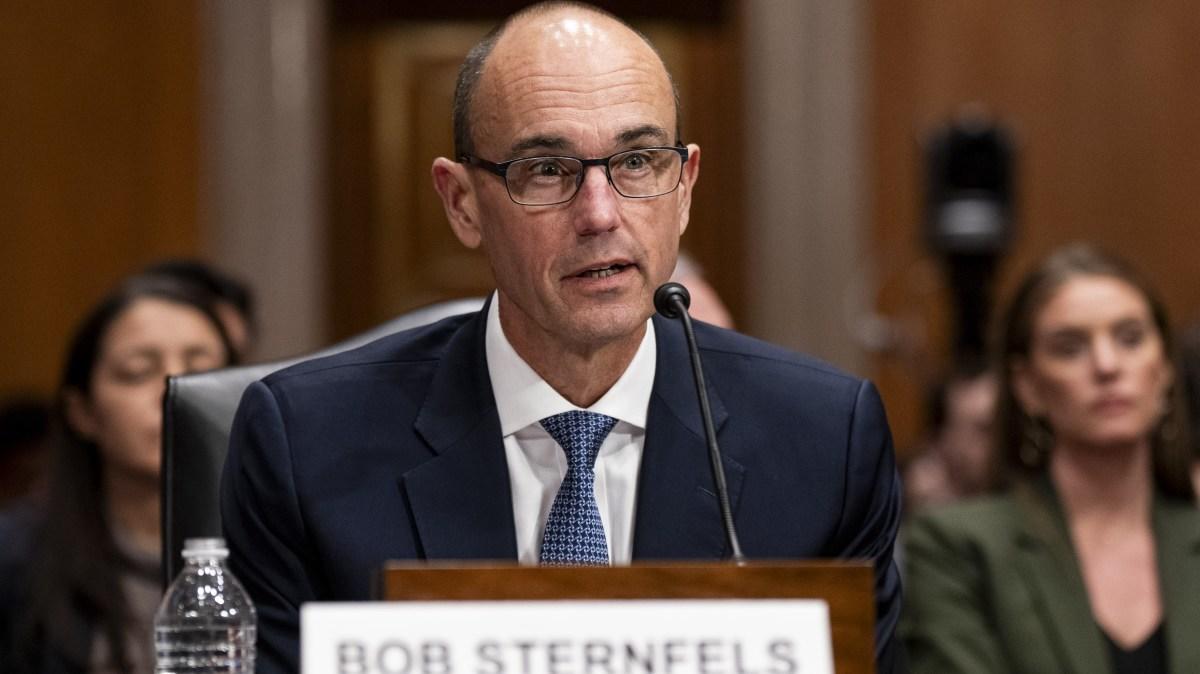
McKinsey to make thousands of layoffs as AI advances
Global consultancy firm takes its own advice and sets out to cut one in ten roles in some teams in response to improvements in artificial intelligence.
McKinsey, the consultancy that regularly advises companies on cutting costs, is taking its own advice and drawing up plans that could result in it shedding thousands more jobs over the next couple of years in response to “rapid advances in artificial intelligence”.
Senior partners at the global management consulting firm, which has been steadily cutting its worldwide workforce over the past few years, are understood to have held initial talks with the heads of non-client-facing departments about shrinking their teams by as much as 10 per cent.
A McKinsey spokesman would not confirm how many roles were at risk, but Bloomberg, which first reported the plans, estimated that there could be “a few thousand” layoffs staggered over the next 18 to 24 months.

Chubb to cut up to 20% of workforce in ‘radical’ AI drive
Chubb plans to trim its workforce by as much as 20% over the next three to four years as part of a groupwide digital transformation aimed at automating key insurance functions.
The initiative, outlined in an investor presentation, will roll through roughly 70% of the organisation in the next three years as Chubb digitises business units along with their underlying functions and processes from end to end.
Chubb currently employs about 43,000 people globally, according to its third-quarter company profile.
The company said the program will encompass sales and marketing, underwriting administration and support, claims, finance and other operational areas as it redesigns workflows and systems.
Chubb is targeting run-rate expense savings equivalent to about 1.5 points off its combined ratio once the transformation is in place.

Back-to-back class actions allege Progressive undervalues totaled cars
Progressive is facing class action lawsuits in both Kansas and Maryland for allegedly undervaluing the actual cash value of totaled vehicles.
Of course, claims that the auto insurance industry undervalues totaled cars are not new.
In California, District Attorney Pamela Price brought a similar case against Progressive, USAA and other insurance companies in April alleging similar violations of state law.
Further, The Hartford faced the same allegations brought in January in Connecticut state court.
The class actions, Williams v. Progressive Specialty Insurance and Shubkagel v. Progressive Direct Insurance, surfaced on Law.com Radar.
Progressive spokesperson Jeff Sibel did not respond to a request for comment.
According to the lawsuits, Mitchell International Inc., a third party that develops software for auto insurance companies to use for claims management, allegedly prepared each valuation report to determine the actual cash value of the totaled vehicles.
However, the plaintiffs claim Progressive uses the data to "systemically thumb the scale" to lower the value through methods that allegedly stray from appraisal standards and the used car industry's pricing and practices.
The plaintiffs argued that the defendant should not be "manipulating the data" and going against its duty to pay the actual cash value of a wrecked car.
Research
Drivers Support Promising Solutions to Curb Impaired Driving, New AAA Survey Shows – AAA Newsroom
Drivers admit to dangerous habits behind the wheel but still want tougher safeguards to prevent impaired driving.
Today, the AAA Foundation for Traffic Safety (AAAFTS) released a new report that shows that while risky driving behaviors remain widespread, Americans strongly support a range of impaired-driving countermeasures that could significantly reduce fatalities.
Risky driving behaviors like distracted driving, speeding, or driving while impaired contribute to tens of thousands of traffic deaths each year. Federal officials estimate that more than 39,000 people were killed in U.S. traffic crashes in 2024, a slight decrease from the previous year but still a stark reminder of the persistent public health crisis on American roads.
“Findings from the AAA Foundation survey give us a strong sense of what drivers see as risky, and what they want done about it,” said Dr. David Yang, President and Executive Director of the AAAFTS. “Those insights can help safety stakeholders and policymakers focus on effective solutions with broad public support.”
ALIRT Insurance Research Highlights Financial Rebound in Florida's Domestic Property Insurance Market
ALIRT Insurance Research today announced the publication of its 2025 Florida Domestic Property Insurer Market Update, revealing a dramatically strengthened homeowners insurance marketplace following transformative legislative reforms enacted in late 2022 and early 2023.
According to ALIRT's analysis, the Florida market has transitioned from a near-collapse in 2022—marked by rampant litigation abuse, soaring loss costs, and a wave of insurer insolvencies—to a revitalized environment that is attracting both new capital and renewed underwriting appetite. Eighteen new or re-launched insurers have entered or announced plans to enter the market since the reforms, signaling an industry-wide return of confidence. Six insurers began writing homeowners coverage in the 2024-2025 period alone.
"The transformation of the Florida property insurance market in just three years is extraordinary," said ALIRT Insurance Research. "The combination of litigation reforms, strengthened underwriting discipline, and stabilizing reinsurance dynamics has reshaped one of the nation's most challenged insurance markets into a more sustainable and investable environment."
The report discusses several key indicators of renewed market health, including:
The rapid depopulation of Citizens Property Insurance Corporation, the state's property insurer of last resort, over the past two years,
A radical improvement in insurer financial quality based on ALIRT Scores, a proprietary measure of operating performance and solvency trends,
The advent of new carrier formations over the past two years, including a surging number of reciprocal insurance exchanges dedicated to the market. This reflects, in part, growing interest in catastrophe-exposed property risks by MGAs, private-equity, and third party reinsurance structures.

Judicial System Breakdown Fuels Epidemic of Litigation Abuse, Report Warns
The American Tort Reform Association (ATRA) has identified eight jurisdictions where litigation abuse has reached crisis levels, with fraudulent schemes and questionable verdicts inflating lawsuit costs to an estimated $367.8 billion annually across the U.S. economy, according to its 2025-2026 report.
The report identifies Los Angeles, New York City, South Carolina’s asbestos court, Louisiana’s coastal litigation venues, Philadelphia’s Court of Common Pleas, St. Louis, Illinois counties (Cook, Madison and St. Clair), and Washington state courts as the eight most problematic jurisdictions for litigation abuse.
“These jurisdictions are trial lawyers’ laboratories where they test novel liability theories and concoct new ways to sue,” said Tiger Joyce, president of ATRA. “Personal injury lawyers push abusive lawsuits in Judicial Hellholes that drain resources, unfairly punish small businesses, and reduce access to justice for everyone.”
Los Angeles earned the top spot following a $1 billion verdict in a single talc-mesothelioma case involving an 88-year-old plaintiff, which ATRA said signals an alarming pattern of nuclear verdicts that have become normalized in certain courts. The surge in nuclear verdicts extends beyond talc to asbestos claims, with the five courts most frequently handling asbestos filings all classified as judicial problem areas.
Illinois’s three counties alone accounted for nearly half of all asbestos filings nationwide last year, while South Carolina’s asbestos court has created “an international crisis” by exporting problematic litigation through corporate takeovers of domestic and foreign companies by court appointed receivers, according to ATRA.
ATRA attributes this concentration of asbestos filings to the reputation these courts have earned for favoring plaintiff claims and awarding substantial damages.
Commentary/Opinion

Commercial Underwriting—What’s Moving the Dial? | Insurance Innovation Reporter
Commercial underwriting is being rebuilt end-to-end: smarter intake, triage, pricing, binding and monitoring to cut manual effort and align decisions to strategy.
Commercial lines underwriting is at a critical turning point. Traditional models built on manual reviews and static decision-making are struggling in today’s fast-paced, data-driven insurance landscape. With rising risks, high client expectations and massive data sets available, insurers must rethink their approach to stay competitive. This isn’t just about digitizing workflows—it’s about transforming the very foundation of how risks are evaluated, priced and managed.
To make underwriting faster, smarter and strategically aligned, insurers must reduce manual effort; leverage data and analytics for sharper decisions; and introduce next-generation capabilities to reshape strategy and performance.
Rethinking the Role of Underwriting
Legacy systems and fragmented workflows hinder progress. Modern underwriters must respond to client demands for tailored solutions delivered with speed and accuracy. To succeed, insurers need to shift from reactive to proactive approaches from manual processes to automation; and from isolated systems to integrated workflows. Strategic underwriting relies on advanced tools and modern platforms, empowering teams with smarter decisions and scalable operations. And transformation is happening across the entire lifecycle.
The process begins with better data capture. Automation tools now extract and structure information from broker submissions, ACORD forms and financial documents. This reduces manual effort and improves consistency. For portfolio-level underwriting, aggregating intake across brokers and delegated authorities gives carriers a clearer picture of risk inflows and helps guide strategic decisions.MORE
Farah Ismail is Senior Director, Head of Commercial Lines within WTW’s Insurance Consulting and Technology (ICT) business in North America
Can Farmers Overcome Insurance Challenges?
Satellite technology transforms agricultural insurance, enabling parametric solutions that protect entire supply chains, not just farmers.
Farmers have been managing the risks to productivity throughout human history, for example by selecting the most appropriate choice of crop to plant according to state of soil moisture at the time. This is efficient, dynamic risk management the old-fashioned way.
From the late 19th century, the traditional way of protecting against the risks of perils, including hail, drought, flood, frost, heatwave and windstorm, has been indemnity insurance.
But just as farming techniques have evolved, farmers today benefit from new sources of data and technology, combined with alternative risk transfer options, to better protect their interests. What's more, these alternative solutions can allow farming supply chain partners, from processors, manufacturers and retailers, to protect their particular interest in the primary inputs into global food and beverage industries.
Julian Roberts is managing director of risk & analytics, alternative risk transfer solutions at WTW.
Announcements

Commercial auto MGA Fairmatic rebrands as Leeo - Business Insurance
Commercial auto managing general agency Fairmatic has rebranded as Leeo, led by CEO Jeffrey Chen.
The rebrand signifies a “renewed focus and direction,” the AI-powered, San Francisco-based MGA announced Monday.
Mr. Chen was appointed CEO in August after Fairmatic announced that founder Jonathan Matus would step down from the CEO role due to medical reasons.
“With Leeo, we are building a future defined by smarter underwriting, faster quoting and greater transparency powered by telematics and data,” Mr. Chen said in a statement.
Leeo is backed by venture capital and private equity firms Battery Ventures, Foundation Capital and Aquiline Technology Growth.
Fairmatic, founded in 2019, announced in 2023 it had raised total financing of $88 million from these companies and other insurtech, fintech and technology investors.
Cyber Risk

74% of small businesses underinsured as cyber claims hit $264K
The median small business holds $12,100 in cash reserves while the average cyber insurance claim now costs $264,000, creating what MoneyGeek calls the "Insolvency Gap," according to a new analysis examining small business cash flow and cyber risk exposure.
The 22-to-1 gap between typical cash on hand and potential cyber losses has widened 30% year-over-year as claim costs jumped from $205,000 in 2024 to $264,000 in 2025, while 39% of small businesses now hold less than one month of operating expenses in cash reserves.
"The gap between what businesses hold and what they risk has widened by $59,000 in one year," said Mark Fitzpatrick, licensed insurance expert at MoneyGeek. "Without insurance, a single bad day isn't an expense; it's a liquidation event. For just $125 per month, cyber liability insurance transforms a business-ending $264,000 breach into a manageable monthly expense."
Key findings
● The Insolvency Gap: Small businesses hold a median of $12,100 in cash reserves while facing average cyber claims of $264,000, creating a 22-to-1 mismatch between available resources and potential losses.
● Worsening cash positions: 39% of small businesses now have less than one month of cash reserves, up from 27 days of operating expenses historically, based on 2025 Bluevine data and JPMorgan Chase Institute's 2016 comprehensive banking study.
● Claim costs jumped 30% year-over-year: NetDiligence's cyber claim data shows average small business incidents rising from $205,000 in 2024 to $264,000 in 2025, with direct remediation costs averaging $79,000 and crisis services averaging $152,000 as key components.
● Most businesses remain underinsured: 74% of small businesses carry inadequate cyber coverage despite 92% having some form of business insurance, treating coverage as a compliance checkbox rather than contingent capital.
● Affordable protection exists: Cyber Liability insurance costs roughly $125 per month for standard-risk micro-businesses, bridging a $264,000 gap for less than the cost of daily coffee.
AI in Insurance
The Hardest Part of Innovation in Insurance Isn’t Technology; It’s Culture
The insurance industry is notoriously behind the curve when it comes to innovation. But what explains the gap between insurance and other industries?
Executive Summary
"Not-Invented-Here Fetishism," project thinking, annual budget weapons, "silo supremacy,"… the list goes on.
Continuing his series of articles "On Innovation in Insurance," Haden Kirkpatrick reveals the cultural patterns that limit new thinking, sink good ideas and keep insurance organizations from effectively adapting.
"If three or more of these feel familiar, you've got a cultural problem," writes Kirkpatrick, drawing on his experiences as an innovation and strategy leader in both the insurance and telecom industries.
Here, he also outlines challenges present in individual functional departments—ranging from legal to underwriting and actuarial to executive leadership—and proposes cultural remedies. "Change theater" is not part of the fix. Instead, Kirkpatrick advises making leadership and product compensation incentives contingent on innovation metrics and adopting dual hiring and operating tracks among steps to repairing carrier cultures and business models.
Kirkpatrick kicked off the series with an introductory article, "On Innovation in Insurance"
In my experience, innovation in insurance isn’t hard because teams can’t build, the opportunities aren’t clear or customers won’t accept those innovations. It is hard because organizations won’t change or are inflexible to new ideas, processes and methodologies.
Haden Kirkpatrick is an innovation, corporate strategy, product and transformation executive leader serving the insurance, InsurTech, mobile telecom and technology industries.

State Insurance Legislators ‘Greatly Disturbed’ by Trump AI Regulation Order
The National Council of Insurance Legislators have come out against President Donald Trump’s executive order last week, seen as a hinderance to state regulation of artificial intelligence.
NCOIL officers in a statement on Dec. 15 said they are “greatly disturbed” with the executive order that “aims to limit the ability of states to regulate artificial intelligence.”
The officers added that it is “vital that state legislators have the ability to develop policy that protects our constituents” and they should not “be deprived of state-based policy solutions, particularly during a time of such polarization and gridlock in Washington D.C.” ARTICLE
2026 Outlook/Predictions

Five Signals From SEMA Week That Will Shape Collision Repair in 2026 – Focus Advisors Automotive
SEMA Week — and the MSO Symposium in particular — is the closest thing our industry has to a live sentiment check. It’s one of the only weeks each year when the most influential operators, consolidators, suppliers, and investors speak plainly about what’s actually happening across their markets.
For firms like ours, it’s a rare chance to listen, compare notes, and gauge where the collision repair landscape is really heading.
This year’s conversations revealed five clear trends that will shape valuations, deal timing, and strategic decisions in 2026. From forward-looking strategic decisions by strong operators, to accelerating private-equity interest, to a widening performance gap, the signals were louder and more aligned than we’ve seen in years. Below is our breakdown of what stood out — and why it matters for owners planning ahead.
Here’s what rose to the top:
- Nearly everyone is optimistic about their growth in 2026.
- Investment interest in collision repair — especially from private equity — remains exceptionally strong.
- High-performing MSOs are concentrating their resources on two priorities: winning the keys and diversifying revenue.
- Deals are harder to close — and fewer are making it to the finish line.
FOCUS ADVISORS
Podcast Sponsor

Audio Version - 'Connected: The Podcast' --- Sponsored by Pulse Podcasts
** The ‘Connected’ Podcast by Alan Demers and Stephen Applebaum, is a condensed audio version of the day's ‘Connected' newsletter, a daily scan of all the happenings in the world of Insurance & InsurTech News**.
Pulse Podcasts: Introduce a new way for your audience to hear your voice! We are a podcast creation service that helps businesses turn their written content, like blog posts and news articles, into beautiful podcasts. Our platform writes the script, records the voices, and mixes the audio to create engaging content for your audience. It's affordable and has super-fast turnaround!
LISTEN AND SUBSCRIBE BELOW