
News

Why AI took early blame for the FAA flight outage
One of the consequences of AI being everywhere is that it also becomes one of the first things to blame when stuff goes sideways.
The outage ended up lasting almost five hours from 3:30 p.m. to 8:15 p.m. ET on Friday and Duffy ultimately blamed the outage on a "contractor error or a faulty piece of equipment" as part of a networking upgrade from traditional copper wires to fiber optic cables.
However, the AI speculation emerged because the FAA is in the midst of implementing an $875 million AI-powered system called SMART (Strategic Management of Airspace, Routes and Trajectories). The new platform began rolling out in September and the agency described it as a "cutting-edge tool that centralizes 200 data streams—including weather patterns, flight paths, traffic flow, and controller staffing metrics—into one platform."
During early testing in the Washington, D.C. area, it helped reroute 180 flights and save 10 minutes 80 gallons of fuel per flight by diverting planes around weather and other conditions. SMART was expanded nationwide on November 10, three days before ground stop.
Jason Hiner, Editor-in-Chief, DeepView

FAA ground stop could trigger widespread travel insurance claims
The nationwide flight ground stop on Friday, Nov. 13 could generate substantial travel insurance claims, although the financial impact on well-diversified insurers is expected to be limited, according to a statement from Morningstar DBRS
The disruption continued through the weekend. About 2,100 cancellations and 9,400 delays were reported on Sunday, according to Reuters.
Nadja Dreff, senior vice president of global insurance ratings at Morningstar DBRS, said travel insurance could reimburse passengers for expenses not covered by airlines, depending on individual policy terms.
"We do not expect these claims to materially or adversely affect well-diversified insurance companies," Dreff said. However, she cautioned that "accumulated losses could grow to be significantly more than expected," depending on how long disruptions persist.
Allstate AI-driven Layoffs Could Impact 10% of Workforce
ICYMI
🚨 NEW: Allstate is laying off thousands of employees as part of a restructuring aimed at streamlining operations in an AI-driven efficiency push, according to people familiar with the development.
The insurer began notifying employees Wednesday morning, with the process expected to continue through the end of the week. The exact number of job cuts could not be determined, but the layoffs could affect as much as 10% of Allstate’s workforce, the sources said.
The company had approximately 53,000 employees at the end of 2025, according to its annual report.
Varada Bhat, P&C Specialist at Financial Times
Insurance company cuts jobs as sweeping reforms take effect
GEICO is eliminating positions following legal reforms in Florida, even as it expands hiring in other parts of its business.
America's auto insurance industry is undergoing significant changes as insurers grapple with rising accident claims, expensive vehicle repairs, and pressure to make coverage more affordable.
However, Florida drivers are beginning to see some relief after legal reforms enacted in 2023 helped reduce costly insurance litigation.
Fewer legal disputes mean lower litigation-related expenses for insurers, allowing companies such as GEICO to pass some of those savings on to customers, even as other insurance costs continue rising.
Research

AI will reshape insurance roles, not replace people, HR leaders say
AI is likely to change how insurance organisations structure teams and develop expertise as much as it changes underwriting and claims, according to research from Oxbow Partners and the London Market Group.
The consultancy and the LMG interviewed senior HR executives across the industry about how AI will affect talent. They found the future workforce is unlikely to be defined by either people or AI, but by how well organisations combine the two.
Human skills rise in value
The report found AI can boost productivity, speed up learning, widen access to expertise and improve decision-making. As routine tasks are automated, uniquely human capabilities, including judgement, creativity, relationship-building and leadership, will become more important.
“The organisations that pull ahead will be those that treat AI as a catalyst to rethink roles, accelerate how people learn and give their teams more time for the judgement and relationships that clients value most,” said Miqdaad Versi, partner at Oxbow Partners and co-author of the report.
Versi said this was a leadership question as much as a technology one.
AI in Insurance

California Seeks Insurer Input on AI Use, Public Workshop Planned
The California Department of Insurance is seeking information from insurers on their use of artificial intelligence as well as public input on potential safeguards covering transparency, accountability, privacy and fairness.
The CDI announced its Responsible Use of Artificial Intelligence Survey to examine how insurers are deploying AI technologies, the governance structures used to oversee those systems, the role of third-party vendors and operational impacts associated with AI adoption.
Slice Brings Insurance Into AI Tools Brokers Already Use
Slice Insurance Technologies, Inc., an AI-enabled managing general agent (MGA) delivering insurance as software, today announced that its AI integration is now in production, enabling selected insurance agents, brokers and wholesalers to interact with Slice without leaving their existing AI environments.
Powered by Slice Mind, the release connects AI assistants such as ChatGPT and Claude with Slice’s AI-enabled MGA through its Model Context Protocol (MCP) server. Participants can combine their assistant’s advanced reasoning capabilities and other connected business tools with Slice’s risk intelligence and insurance operations, reducing rekeying, system switching, and handoffs.
Climate/Resilience/Sustainability

What 2026's Wildfires Are Teaching Insurers
Insurers relying on post-fire damage counts face delays that hinder claims response. Pre-ignition wildfire intelligence could accelerate policyholder recovery.
For insurers, that uncertainty creates a practical problem. Reserving, accumulation management, and claims decisions begin long before a final damage assessment exists. More importantly, the people behind those policies cannot wait weeks for every dataset to agree. They need to know when an adjuster is coming, whether temporary housing is available, when payments can begin, and how soon they can start rebuilding.
That is the clearest lesson from the 2026 wildfire season so far: Insurers need a strong view of wildfire risk before ignition because the information available after a fire will always take time to settle.
Understanding where exposure sits, how vulnerable individual properties are, and how fire is likely to move through a community helps insurers manage their portfolios. That same information can help them anticipate where claims are likely to emerge and get people on the ground faster when a fire occurs.
InsurTech/M&A/Finance💰/Collaboration

Insurtech Funding Falls 44.6% in Q3 as Mega-Round Deals Cool
Quarterly insurtech funding dropped to $1.36 billion in the third quarter of 2026 from a four-year high in the prior quarter, Gallagher Re reports.
By the numbers:
- Mega-rounds shrink: Deals of $100 million or more fell to $660 million in Q3 from $1.67 billion in Q2, though deal count only slipped to 104 from 107.
- A.I. dominance: A.I.-focused companies captured 83.2% of all Q3 insurtech funding, or $1.13 billion across 72 deals.
- L&H vs. P&C: L&H insurtech funding rose 23.1% quarter over quarter to $741.54 million across 31 deals, while P&C funding fell 66.7% to $0.61 billion from $1.84 billion.
- Insurer pullback: Insurers and reinsurers backed 25 tech investments in Q3, down from 51 in the same period in 2025.
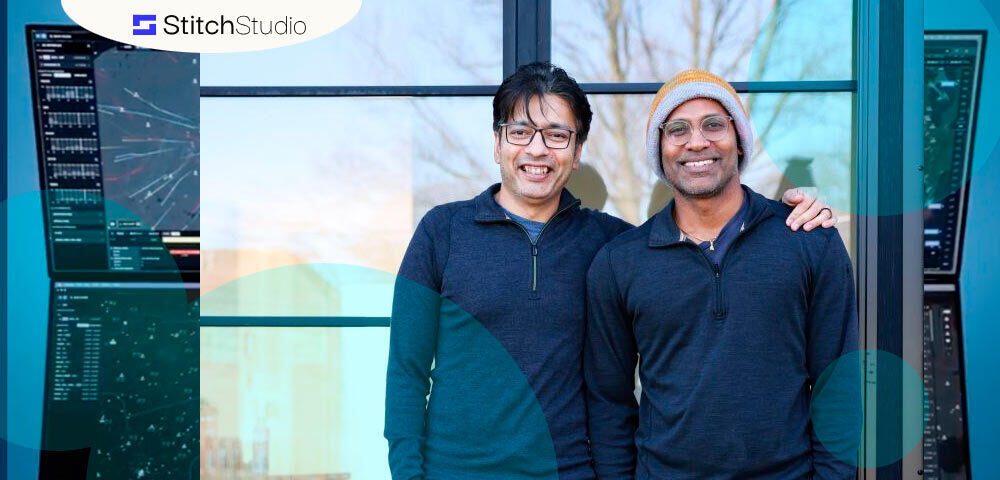
Insurtech StitchStudio raises $8 mn to expand AI automation in insurance
StitchStudio secures $8 mn in funding to expand AI agents for insurers and brokers, automate insurance workflows and scale enterprise adoption
StitchStudio, an AI platform focused on insurance operations, has raised $8 mn in a financing round led by Voyager Capital, with participation from Lookout Ventures, Grit Capital Partners and insurance industry investors.
Existing backers ManchesterStory and BrokerTech Fund also participated. The funding will support product development across employee benefits, life and annuities, and commercial property and casualty insurance, alongside expanded customer support and self-service capabilities.
The company plans to expand its AI platform across employee benefits, life and annuities, and commercial P&C insurance.
Aon completes acquisition of USI - Reinsurance News
Aon, the insurance and reinsurance broking and professional services firm, has completed the previously announced acquisition of USI, a provider of property and casualty, employee benefit, personal risk and retirement solutions for the middle market, for $17 billion.
USI is the tenth largest US insurance broker with approximately $3 billion in annual revenue and nearly 200 US offices, bolstering Aon’s US middle-market presence.
The firm will be integrated into Aon’s fold and, effective immediately, will go to market as “USI, an Aon company,” led by Mike Sicard, who now serves as President of Aon and Global Chief Executive Officer (CEO) of the middle market across Aon, NFP, and USI.