
News
Driven Brands shares plunge after company flags accounting errors, delays results
Driven Brands Holdings Inc., parent company of the CARSTAR collision repair network, saw its shares plunge Wednesday after disclosing accounting errors that it said will require restating past financial statements and delaying its annual results.
The company said its audit committee concluded Feb. 23 that there were material errors in previously issued consolidated financial statements for fiscal 2024 and fiscal 2023, and in certain unaudited interim financial statements, and that those statements should not be relied upon.
In a Form 8-K filed Feb. 25, Driven Brands said the issues were identified while preparing its annual report for fiscal 2025, ended Dec. 27, 2025.
The company listed several categories of errors, including lease accounting problems that affect right-of-use assets and liabilities, unreconciled differences in cash accounts affecting cash balances and operating cash flows, and expense classification errors that shifted some supply and other costs into company-operated store expenses. It also cited other errors tied mainly to fiscal 2023 and 2024, including items involving the income tax provision, fixed assets, cloud computing and misclassifications, and said it identified inappropriately recognized revenue in its ATI business primarily related to fiscal 2025.
Financial Results
Root (ROOT) Q4 2025 Earnings Call Transcript
Alexander Timm: We grew revenue by 29% and our net income by 30%, exiting the year in the strongest position in the company's history. These are standout results in any year, but particularly in 2025. This is a testament to the strong foundation that Root, Inc. has built to deliver throughout cycles. With $1.5 billion in premiums, exceptional financial performance, and a strong balance sheet, we have put in the hard work, time, and investment to be in the enviable position to drive profitable and material growth in our business, and we are doing this in a $350 billion auto market.
SUMMARY Management emphasized Root's record-setting financial performance and capital strength, underpinned by rapid expansion of its technology-driven insurance and distribution infrastructure. - The company reported exceptional premium growth and improved LTVs through AI and quantitative methods, while securing major new embedded and OEM partnerships, notably with Toyota. Strategic investments in R&D and expanded distribution are expected to temper net income growth and modestly increase the loss ratio in the coming year, as Root prioritizes market share and foundational scalability over short-term profitability.
- Embedded insurance through partnerships and APIs contributed to nearly half of new writings in the fourth quarter, with ongoing expansion into automotive and financial service channels.
- The agent channel is highlighted as the fastest-growing business vertical, leveraging workflow-enhancing technology to drive meaningful productivity and retention gains for partners.
- Root plans continued investment in data science, product expansion, and geographic coverage to reinforce its competitive advantage and position for large-scale future growth.
- Management anticipates sequential PIF growth in the near term, attributing shopping surges to seasonal factors like tax refund season. FULL TRANSCRIPT

Hippo Insurance didn't improve from 166% to 99.4% by accident
This is not a story about insurtechs winning. It is a story about what happens when data compounds and you are not in the room.
Think of it like Heat versus Ocean’s Eleven. Neil McCauley runs a disciplined, process-driven operation with no wasted movement and zero tolerance for exceptions. Danny Ocean runs a distributed, technology-native crew where every player feeds information back to the center in real time. Different philosophies. Same outcome: the incumbents get cleaned out.
Hippo is McCauley. Lemonade is Ocean.
Here is what each actually reported for Q4 2025, straight from their filings.
Hippo hit $1.1 billion in gross written premium for full year 2025, up 24%. Net income of $58 million (which includes a $91 million gain from selling its homebuilder distribution network; adjusted net income was $18 million). Full year combined ratio improved 25 points. Q4 came in at a 99.4% combined ratio. Their casualty book grew 92% to $264 million GWP while retaining only 3% of the risk, because disciplined governance gave reinsurers the confidence to support the whole thing. Less than 0.01% of policies required underwriting exceptions. 800 plus claims reviewed monthly across 38 programs. Thirteen underperforming programs sent to runoff, no second chances. Their 2026 guidance targets $1.4 to $1.5 billion in GWP and $45 to $55 million in adjusted net income.
Lemonade hit $1.237 billion in in-force premium, up 31%. That’s nine consecutive quarters of IFP growth acceleration. Not nine quarters of growth. Nine quarters of growth accelerating. Their trailing twelve-month gross loss ratio improved from 88% in Q3 2022 to 64% today, while IFP grew from $609 million to $1.237 billion over the same period. Gross profit increased 73% year-over-year to $111 million, at a 48% gross profit margin. Adjusted EBITDA came in at negative $4.6 million, basically breakeven. And here is the line that should stop you cold: since Q3 2022 they added 1.2 million customers while headcount declined 6%. Their cost to handle a pet claim dropped from $44 in 2021 to $14 in 2025. They expect full fourth quarter EBITDA profitability in 2026 and their first full year of EBITDA profitability in 2027.
Kaenan Hertz
AI in Insurance
HUB International brings Anthropic's Claude to 20,000+ employees
**HUB International and Anthropic announced a partnership of their deployment of Anthropic’s Claude AI platform across HUB’s entire 20,000+ employee workforce which began in late Q4 2025. **
In early results of employees, HUB has seen an 85% productivity increase in targeted use cases, an average of 2.5 hours saved per employee per week, and over 90% user satisfaction across early use cases – “making it one of the fastest and most successful enterprise AI deployments in the financial services industry.”
HUB implemented a phased deployment approach with defined use cases for specific roles, including account managers, producers, and customer support teams, with workshopped applications already showing measurable business impact. Claude’s AI capabilities will help advance and amplify HUB’s business processes, digital direct-to-customer platforms, software development, and empower its workforce to enhance productivity and customer service delivery.
“AI is a force multiplier that will help accelerate HUB’s competitive advantage, which lies in combining cutting-edge technology with our scale, deep carrier relationships, product innovation, and decades of institutional knowledge to create transformational client experiences. We’ve been on an AI application journey for several years, and our partnership with Anthropic represents our next-level commitment. Anthropic’s enterprise-grade AI, their unwavering commitment to safety, quality, and security, and their deep understanding of regulated markets made them the ideal partner for HUB.” – Marc Cohen, President and CEO of HUB.

AI reshapes insurance hiring as job openings hit decade low
New data shows artificial intelligence and technology transformation are definitively reshaping hiring behavior in insurance and across the broader financial sector.
In a new Insurance Labor Market Study conducted in Q1 2026 by The Jacobson Group and the benchmarking division of Aon’s Strategy and Technology Group, around half of carriers said they plan to increase headcount over the next 12 months. However, job openings in finance and insurance have dropped to their lowest monthly level in a decade.
During a webinar presenting the findings, Jeff Rieder (pictured on the left), partner and head of benchmarking at Aon’s Strategy and Technology Group, noted that the average monthly number of finance-related job openings fell sharply between 2022 and the end of 2025. While the annual average sat at 281, by December it had fallen to roughly 138 – the lowest monthly level seen in 10 years for finance roles, including banking and wealth.
“We’ve really seen a large divergence that started back in 2023," Rieder said. "While 72% of companies expect to grow revenue, we’re at near-record lows in terms of those expecting to increase employee numbers. The only time it’s been lower for those expecting to increase employees was back in 2011.

Independent agencies looking to boost AI use
Just 8% of agencies say AI is currently a part of their daily workflows.
Two-thirds of independent agents want to increase their use of artificial intelligence this year, according to a new report from the Big I Agents Council for Technology.
However, just 8% of agencies said AI is currently a part of their daily workflows, and 31% said they're currently not using any AI.
The report found there's a growing gap between the promise of AI and agency readiness to implement it effectively. Many agencies lack documented processes and have resource and budget limitations, the report found. Security and governance gaps are also a factor.
"AI is entering agencies at a time when many are already struggling with disconnected systems and limited automation," said Kasey Connors, ACT executive director, in a statement. "That complexity makes it harder to move from experimentation to meaningful impact."
Agencies said operational efficiency (60%) and staff productivity (52%) were motivating factors for adopting AI. But they also cited data privacy and compliance risks (24%) and inaccurate outputs (22%) as top concerns.
"What we hear consistently is that agents aren't worried about the price of AI—they're worried about the cost of getting it wrong," Connors said. "Data privacy, compliance, and accuracy have to be addressed before agencies are comfortable scaling AI use."
Insurance's Key Role for AI Agents
The tech world is currently obsessed with "how smart AI can be." From large language models to multi-agent systems, the race is on to build more capable "brains." However, for the insurance industry and the broader commercial world, a far more critical question remains unanswered: Once an AI is smart enough to act, how do we manage the consequences of those actions?
We are entering the era of Agentic Commerce, where AI shifts from a "recommendation engine" to an autonomous "actor." But as we move from low-stakes tasks (like ordering coffee) to high-stakes institutional actions (like claims automation or asset allocation), we face a structural wall.
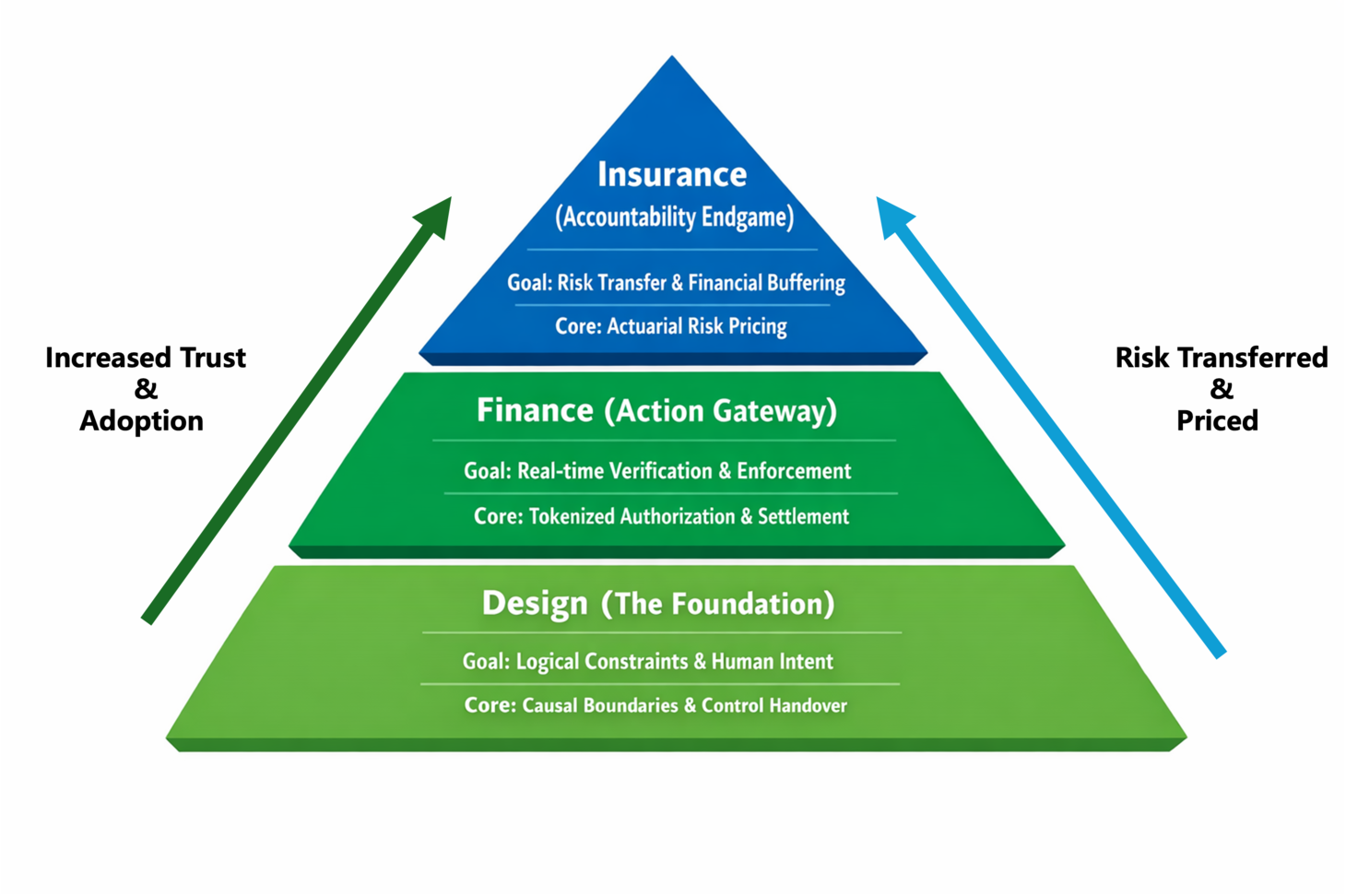
The reality is that a $10 trillion Agentic Economy cannot exist without the insurance industry. Why? Because authority can be delegated, but accountability cannot be outsourced. For AI to truly participate in commerce, it needs more than better code; it needs the "institutional road rights" that only the insurance and financial sectors can provide.
THE UNDERWRITING PREREQUISITE: CAUSAL DELEGATION
Most AI experiments fail in real-world transactional environments because they rely on "correlation-based" models. These models are inherently unpredictable because they don't understand why they are acting; they only know what is likely to happen next based on patterns.
For an insurer, a "black box" agent is un-insurable. You cannot price the risk of an entity that doesn't recognize its own boundaries. MORE
David Lien is a partner at Lingxi (Beijing) Technology
Announcements
Parks Associates' 30th CONNECTIONS™: The Premier Connected Home Conference, May 5-7 in Santa Clara, to Unite Industry Leaders on AI, Smart Energy, Security, Broadband, Insurance, and Next-Gen Connected Living
Parks Associates, a global market research and consulting firm with 40 years of industry leadership, today announced the first list of featured speakers for its 30th annual CONNECTIONS™:
The Premier Connected Home Conference, May 5-7 at the Hyatt Regency Santa Clara in Santa Clara, California. This signature event convenes senior executives and innovators from broadband, smart home, energy, security, AI, and connected services to examine the data-driven opportunities shaping the future of connected living.
"We can't wait to welcome industry leaders to our 30th event in May," said Mindi Sue Sternblitz-Rubenstein, VP, Research, Parks Associates. "Attendees represent the full value chain. From product leaders and service providers to investors and technology strategists, it is an honor to bring the industry together each year at CONNECTIONS™."
Parks Associates' latest proprietary research reveals momentum in connected technologies and AI-enabled experiences:
- 49% of US internet households now own at least one smart home device.
- 30% of households purchased a smart home device in the past 12 months.
Smart home purchasing patterns are influenced by consumer concerns regarding price changes, with 11% buying to avoid higher costs and 21% delaying due to anticipated price changes.
Amazon Alexa leads smart home platform control at 32% adoption, followed by Google Assistant at 14%.
Commentary/Opinion
Beyond Build vs. Buy: Why the Future of Insurance Tech Is Continuous Innovation
The insurance industry is at an inflection point. Regulatory shifts, advancing technology, and evolving consumer expectations are reshaping what it means to compete. For carriers, distributors, and advisors, the pressure is undeniable. Consumers expect speed. Agents demand simplicity. Regulators require precision. And legacy systems, once dependable, now slow innovation instead of enabling it.
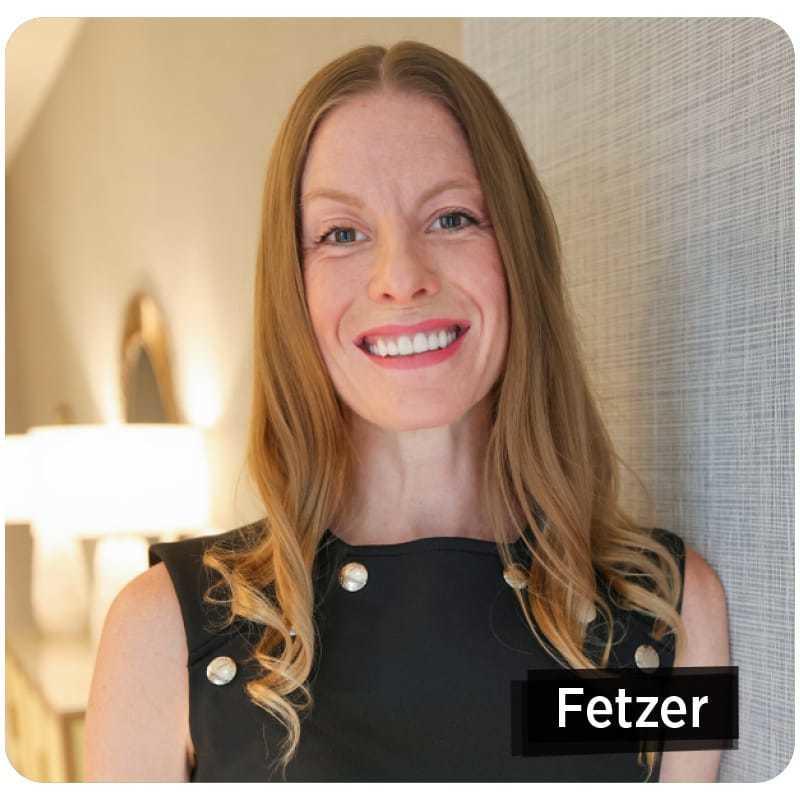
“Consumers expect buying and administering life insurance to be as easy and mobile-friendly as every other purchase in their lives,” says Carly Fetzer, Solutions Engineer at Bestow. “If someone can buy a car or invest money in minutes from their phone, why should life insurance be different? The carriers who aren’t actively transforming are already behind.”
For carriers trying to navigate this landscape, standing still is no longer a neutral position. It’s falling behind.
“We’re building technology for the future direction of the industry, while identifying gaps in legacy tech and processes that we can help fix,” Fetzer explains. “We also listen to what agents are begging for, and we identify experiences that agents and customers like returning to again and again.”
Fraud

State Farm hits New York medical practice with $30 million no-fault fraud suit
The insurer claims a kickback-and-billing scheme ran across more than 90 New York clinics
State Farm is suing a New York medical practice for more than $30 million, alleging a sweeping no-fault fraud scheme spanning over 90 clinics.
The insurers - State Farm Mutual Automobile Insurance Company and State Farm Fire and Casualty Company - filed the action on February 25, 2026, in the US District Court for the Eastern District of New York. The case names Atlantic Medical & Diagnostic, P.C., along with its owners, physicians Jonathan Landow and Viviane Etienne, as defendants.
According to the filing, Atlantic operated at more than 90 multi-disciplinary clinics primarily across Brooklyn, Queens, Bronx, and Manhattan - locations the insurers describe as "No Fault Clinic Mills." Since June 2022, Atlantic allegedly examined more than 5,500 State Farm insureds and billed for services the insurers say were medically unnecessary, including examinations, trigger point injections, nerve blocks, topical prescription drugs, durable medical equipment and orthotics, and electrodiagnostic testing.
People
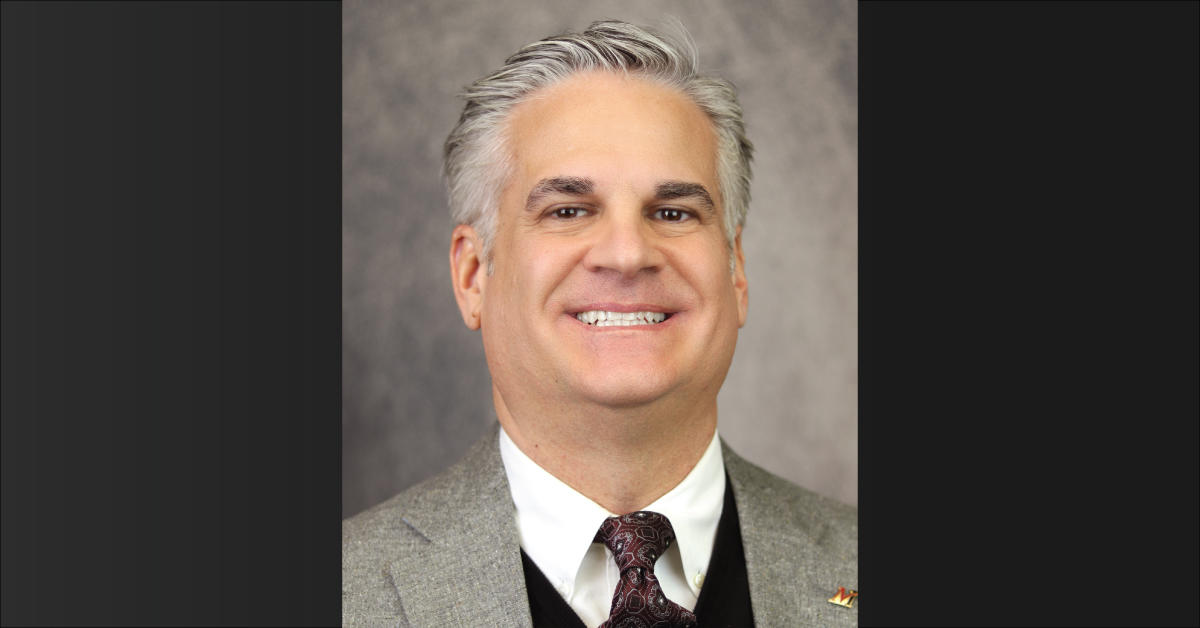
Merchants Insurance Group Appoints Pete Walkup as Vice President, Head of Claims
Merchants Insurance Group has appointed Pete Walkup as its Vice President, Head of Claims, effective February 2026.
Walkup joins Merchants from Donegal Insurance*, where he served as Vice President, Claims Operations since 2022. He brings more than 28 years of claims experience, most of which were in leadership positions including senior leadership roles at Kemper Insurance and State Farm Insurance.
As Vice President, Head of Claims, Walkup will oversee all claims operations, with an emphasis on operational performance, process modernization, and delivering value to policyholders.
“Pete’s depth of industry experience and proven track record of leading high-performing claims organizations make him an outstanding addition to our executive team,” said Charles E. Makey III, President and Chief Executive Officer of Merchants Insurance Group. “I am confident that his ability to develop strong teams, drive cross-functional collaboration, and align claims operations with broader strategic goals will be an asset to Merchants. His operational insight and customer-focused approach will help us further strengthen our claims function and enhance our customer experience for policyholders.”